RoTV Guide — Program TV, Streaming, Cinema, Teatru și Radio în România
Ce merită văzut diseară?
O singură recomandare pe seară, aleasă din datele reale ale ghidului — 260 canale monitorizate. Fără carusele, fără zgomot.
Diablo
Film de 120 min în prime-time, cu distribuția listată în programul oficial — „Cu: Alanna De La Rossa, Marko Zaror, Scott Adkins”
Ce e la TV acum?
15 canale principale
 PRO TV
Ştirile Pro Tv
mai 29 min
Urmează: Vorbeşte lumea (07:30)
Apoi: Ştirile Pro Tv (10:00)
 Antena 1
Neatza cu Răzvan şi Dani
mai 119 min
Urmează: Observator (09:00)
Apoi: Poftiţi pe la noi: Poftiti la intrecere (11:00)
 Kanal D
Casa iubirii
mai 119 min
Urmează: Știrile Kanal D (09:00)
Apoi: În căutarea adevărului (10:00)
 TVR 1
TVR 1Profesioniştii... cu Eugenia Vodă
mai 14 min
Urmează: Teleshopping (07:15)
Apoi: Viitorul de ieri (07:30)
 Digi 24
Știrile dimineții
mai 119 min
Urmează: Știrile amiezii (09:00)
Apoi: Studio politic (11:00)
 România TV
Ştirile România TV
mai 59 min
Urmează: Ştirile Romania TV (08:00)
Apoi: Ştirile România TV (09:00)
 Prima TV
Terra Nostra
mai 59 min
Urmează: Teleshopping (08:00)
Apoi: Focus (10:00)
 Antena 3 CNN
Stiri cu Ana Iorga
mai 59 min
Urmează: NewsRoom cu Madalina Mihalache (08:00)
Apoi: Ştiri (09:00)
 B1 TV
B1 TVBună dimineața, România
mai 119 min
Urmează: Talk B1 (09:00)
Apoi: Politica zilei (12:00)
 TVR 2
TVR 2Tonomatul de pe 2
mai 59 min
Urmează: Teleshopping (08:00)
Apoi: Filler (08:15)
 Pro Cinema
La bloc
mai 119 min
Urmează: Neaşteptat (09:00)
Apoi: Burlaci întârziați (11:15)
 Antena Stars
Viaţa Fără Filtru Best Of
mai 29 min
Urmează: Meniu de vedetă (07:30)
Apoi: Știrile Antena Stars (08:00)
 Happy Channel
Teleshopping
mai 14 min
Urmează: Daca iubesti (07:15)
Apoi: Teleshopping (09:15)
 Realitatea Plus
Realitatea zilei
mai 119 min
Urmează: Newsroom (09:00)
Apoi: Raport de zi (11:00)
 National TV
Miezul problemei
mai 74 min
Urmează: Vouă (08:15)
Apoi: Teleshopping (08:30)
Diseară la TV
Programe de prime-time 20:00–22:00
PRO TVŞtirile Pro Tv
Știri de ultimă oră din țară și externe. Urmărește transmisiuni live, breaking news, reportaje și anchete.
20:30Antena 1Observator
Cupluri ce au relaţii de lungă durată, însă nu au decis încă să facă marele pas îşi vor putea testa relaţia prin intermediul acestui reality-show şi vor afla astfel dacă cel/cea alături de care au petrecut atâţia ani este cu adevărat jumătatea lor.
20:30Kanal DȘtirile Kanal D
Știrile Kanal D conectează zi de zi telespectatorii la realitățile sociale, economice, politice și mondene, din perspectiva omului și pentru omul obișnuit.
20:00TVR 1Telejurnal
Află ce s-a întâmplat relevant pentru viaţa ta, în ţară şi în lume, de la Telejurnal. În fiecare zi, pe TVR 1, la ora 14:00 şi seara, de la ora 20.00, Telejurnalul îţi oferă un pachet informativ complet, care conţine ştiri, analize şi dezbateri.
20:00Digi 24Audiență națională
Emisiunea face sinteza principalelor știri și subiecte de interes ale momentului.
20:00Prima TV50/50
Un format dinamic, rapid şi captivant, 50:50 aduce în prim-plan doi concurenţi care se confruntă într-o competiţie unde fiecare întrebare contează, iar şansele de câştig sunt mereu egale: 50% – 50%. Tot jocul se învârte în jurul numărului 50.
20:00B1 TVDoctorul
cu Adrian Vochin.
20:00TVR 2Magazin Deutsche Welle
Euromaxx (EUROMAXX-Magazin despre lifestyle, Germania, 2024) -R Magazin săptămânal ce prezintă cele mai diverse şi mai fascinante evenimente culturale şi sociale europene. Episodul:214.
20:35Top Netflix România
Cele mai vizionate titluri în România
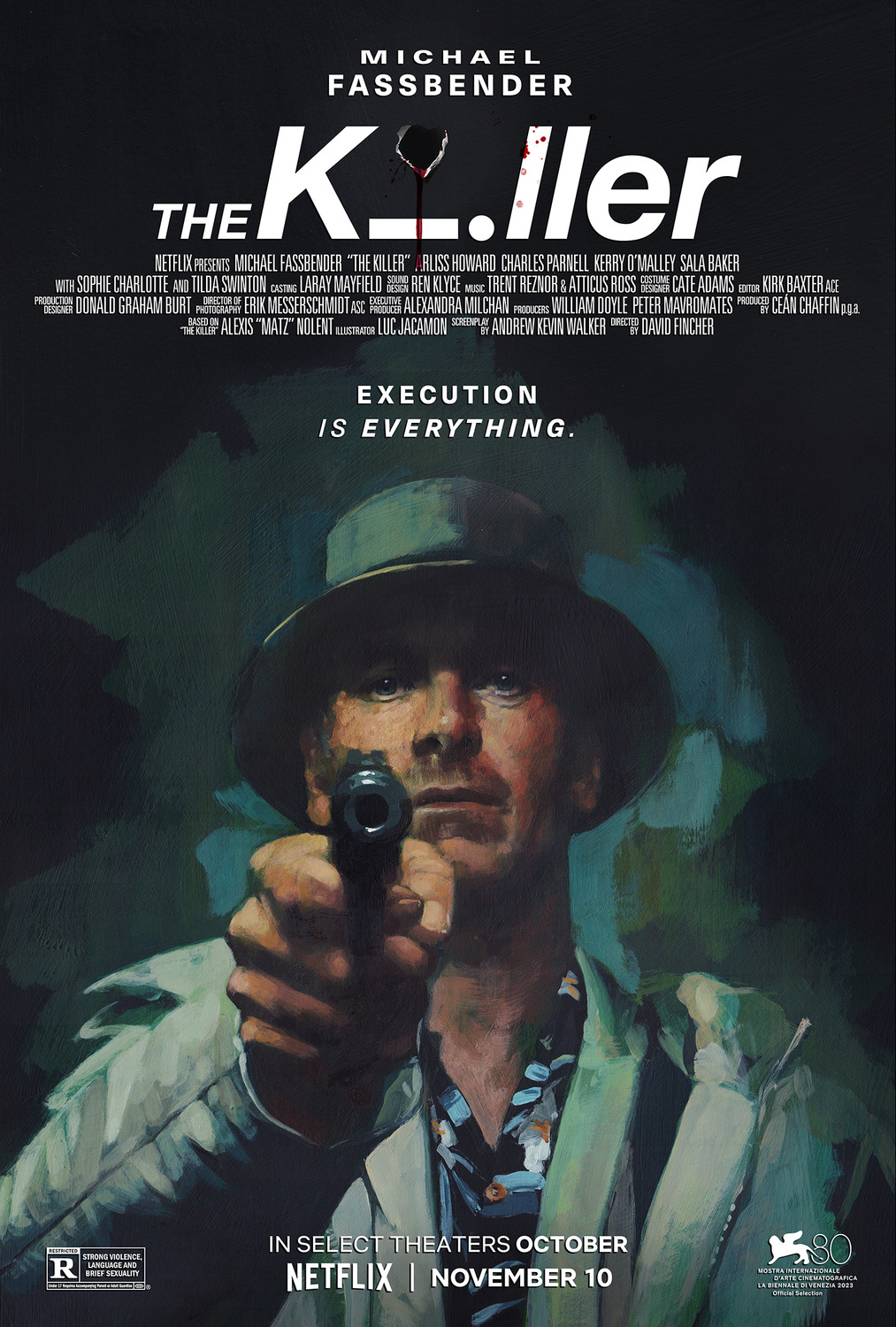
The Killer
1 săpt. în top
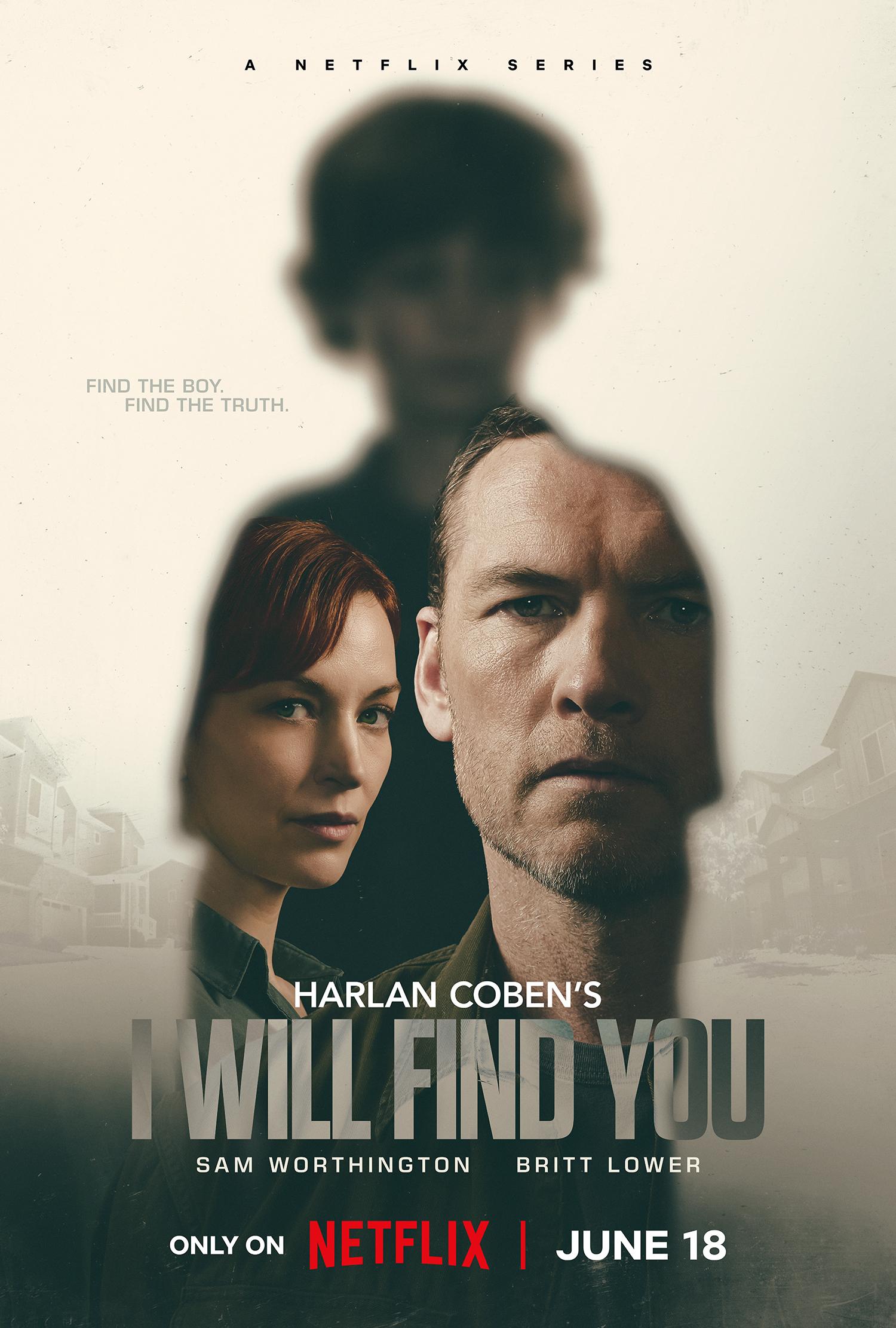
I Will Find You
2 săpt. în top
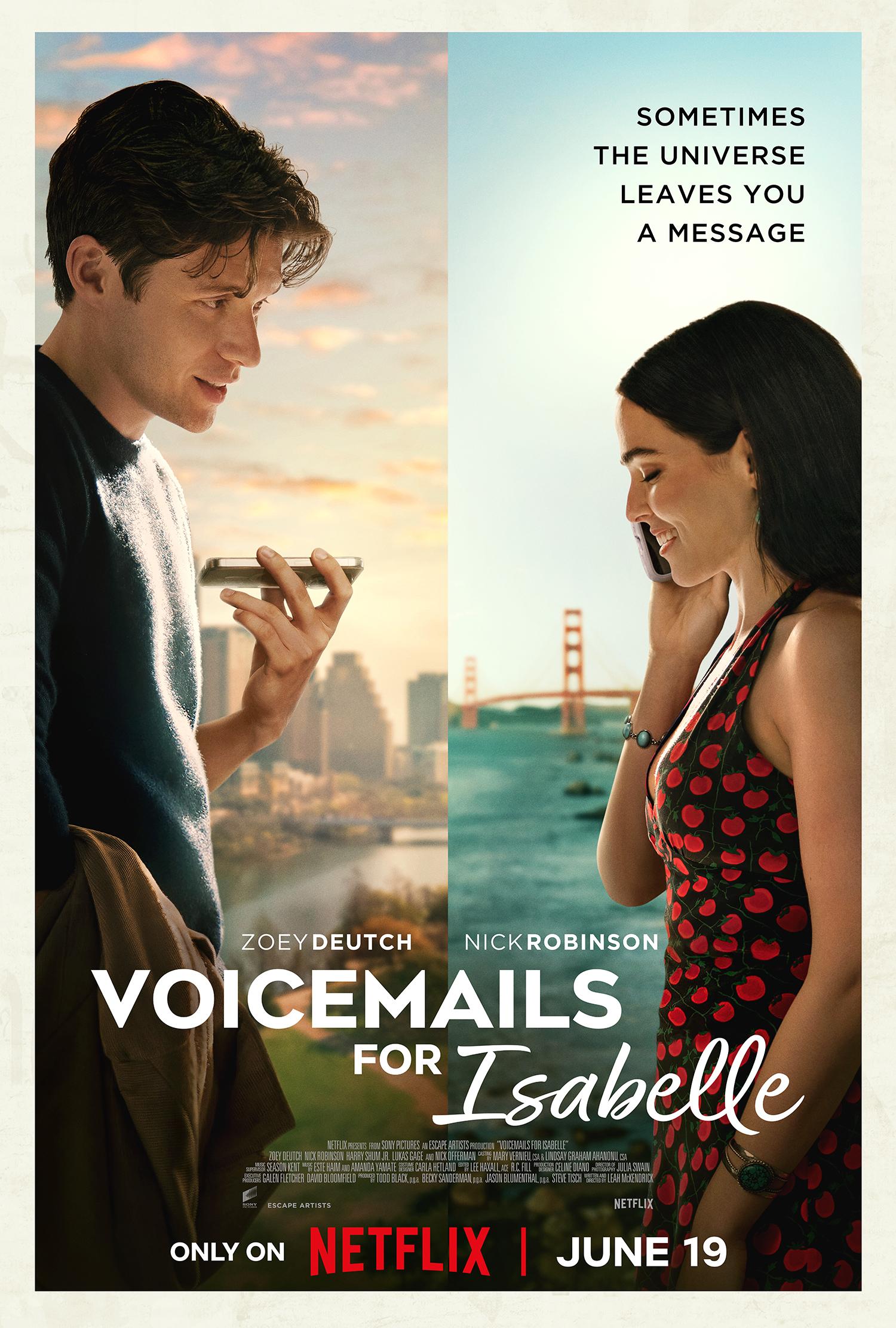
Voicemails for Isabelle
2 săpt. în top

Oasis
2 săpt. în top

Anora
2 săpt. în top
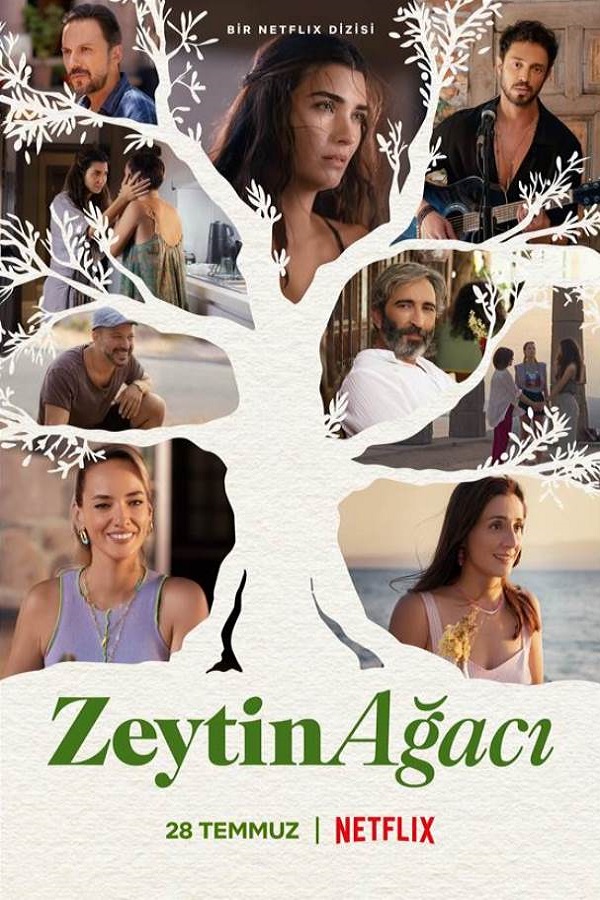
Another Self
1 săpt. în top
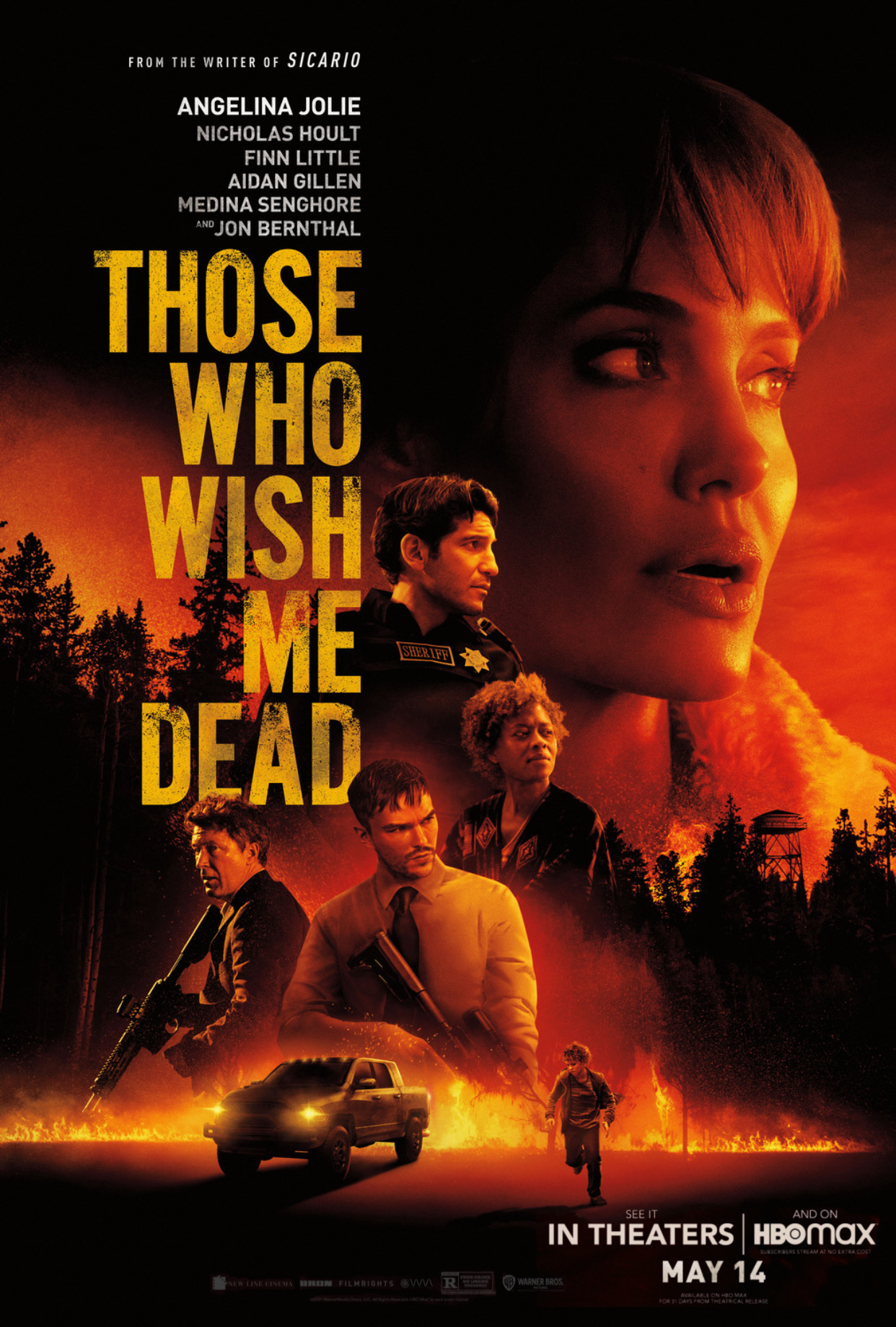
Those Who Wish Me Dead
Nou

Avatar: The Last Airbender
1 săpt. în top

Little Brother
Nou
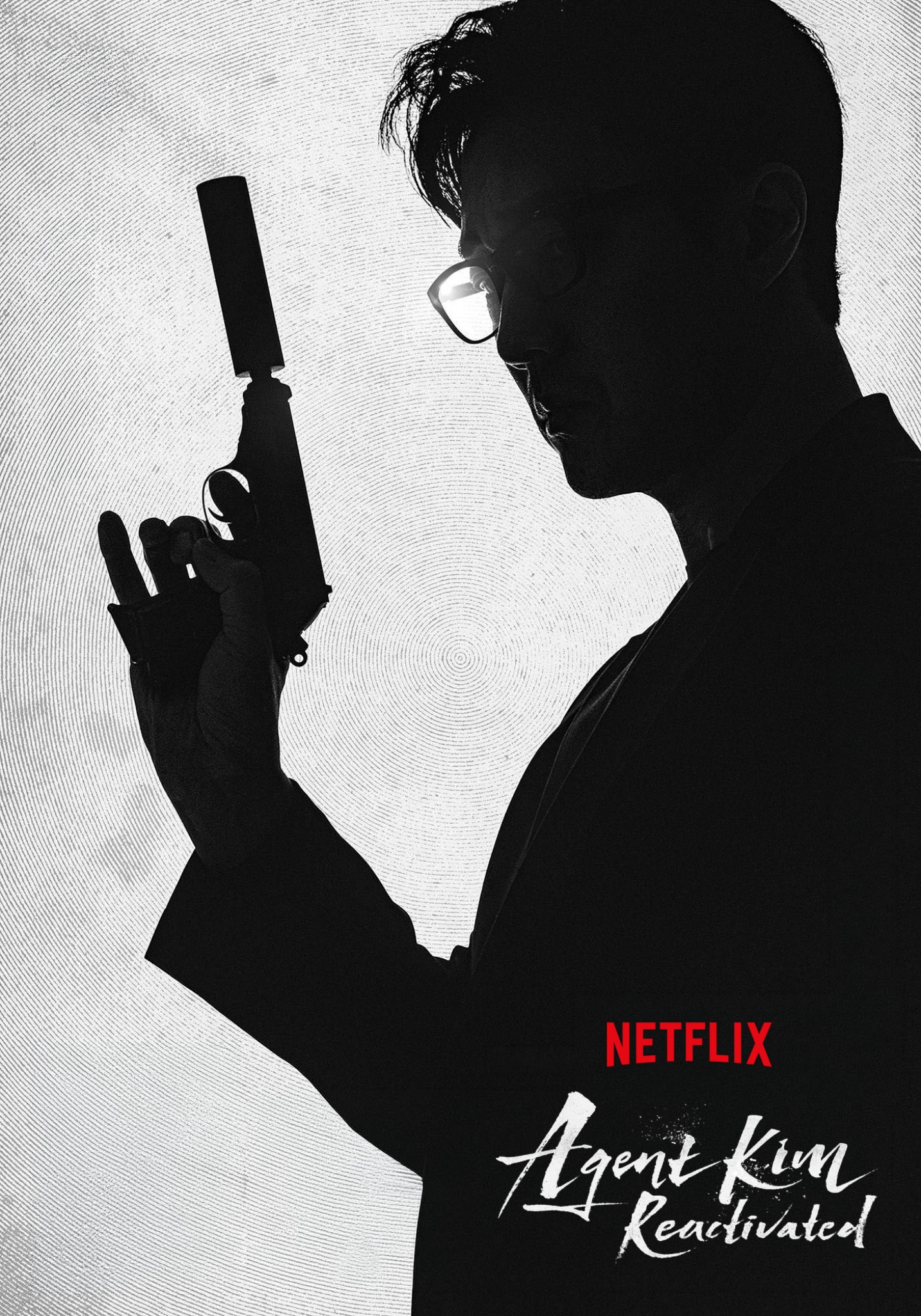
Agent Kim Reactivated
Nou
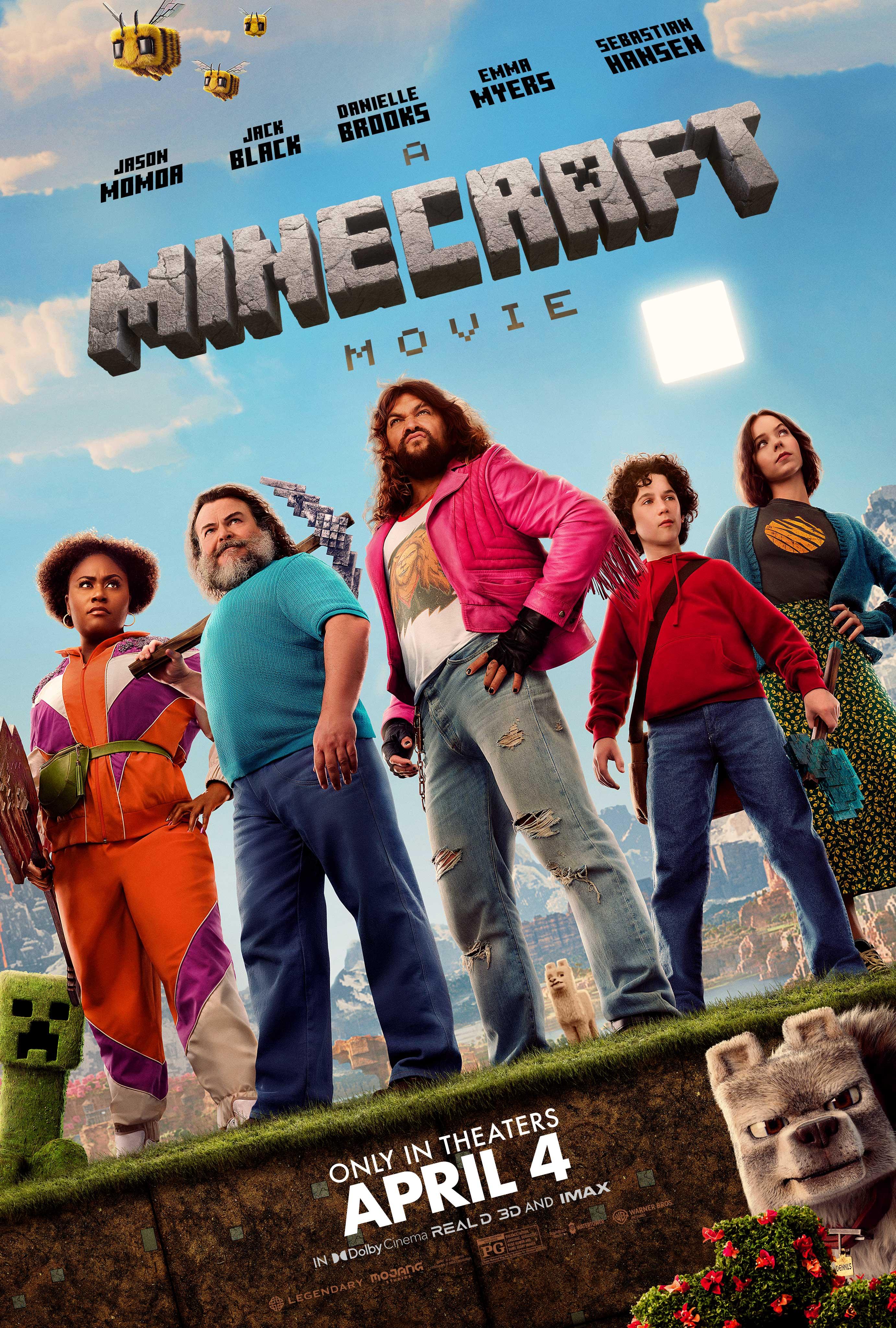
A Minecraft Movie
2 săpt. în top

Teach You a Lesson
3 săpt. în top
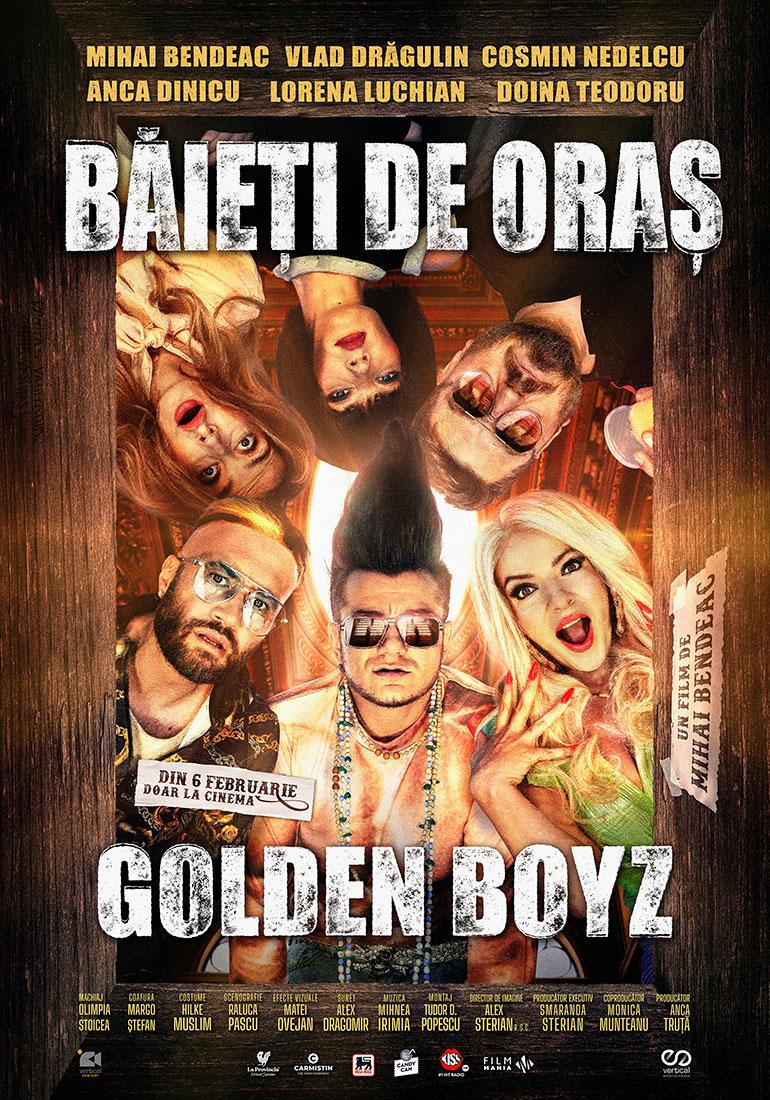
City Boys: Golden Boyz
5 săpt. în top
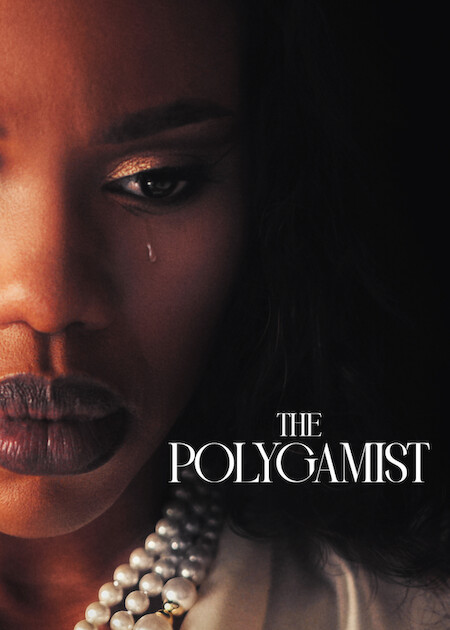
The Polygamist
3 săpt. în top
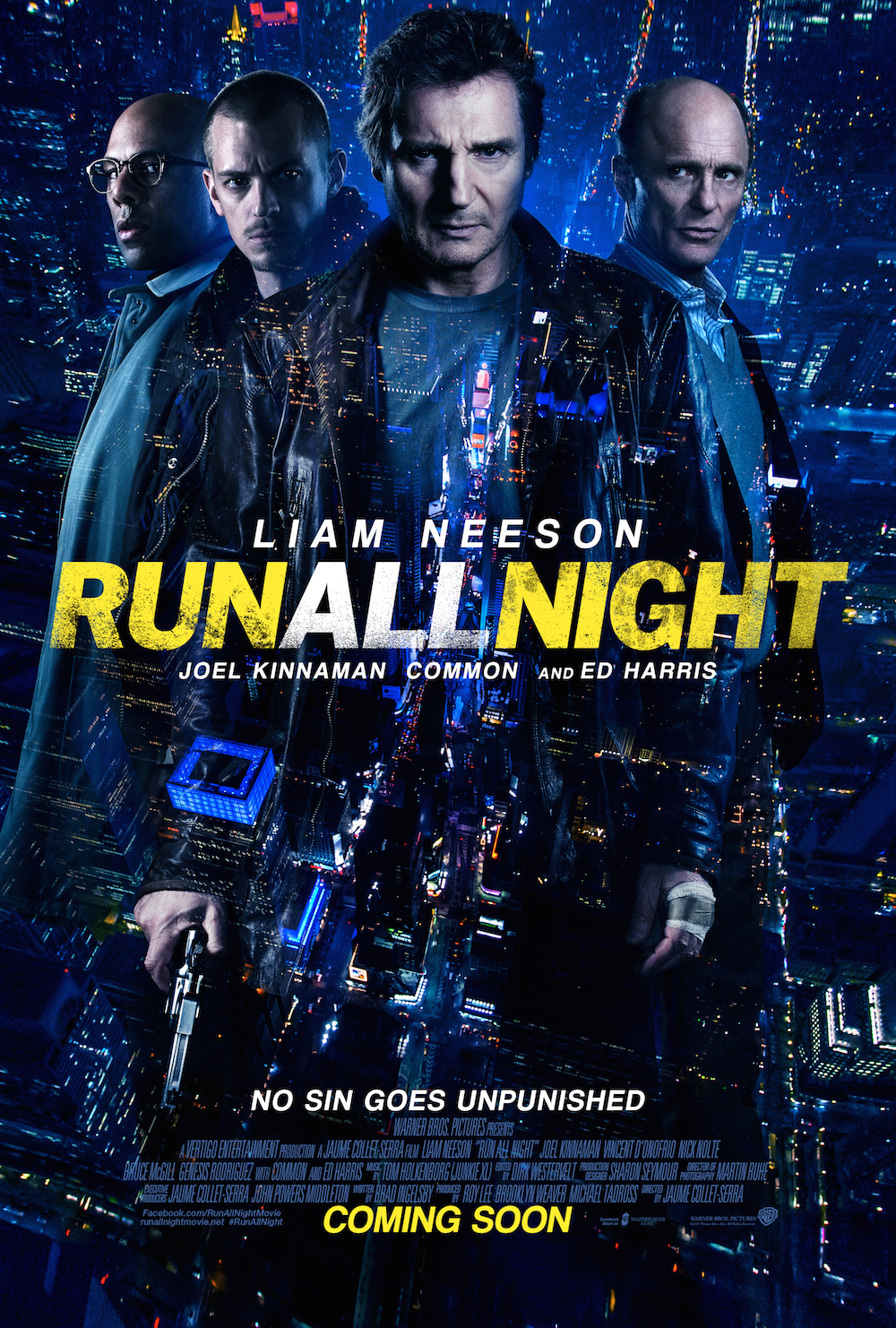
Run All Night
Nou

Salish & Jordan Matter
3 săpt. în top
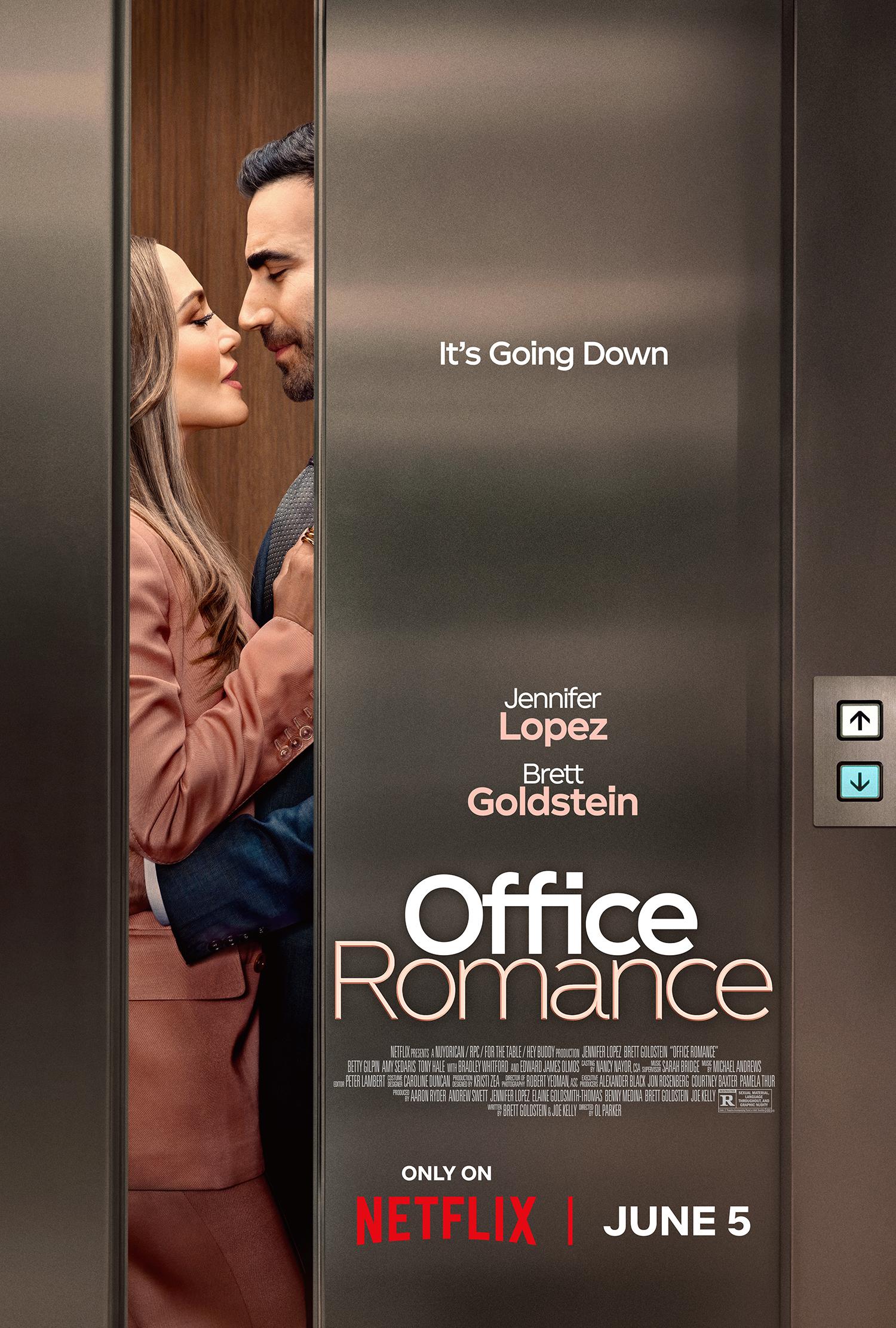
Office Romance
4 săpt. în top
Salish & Jordan Matter
1 săpt. în top
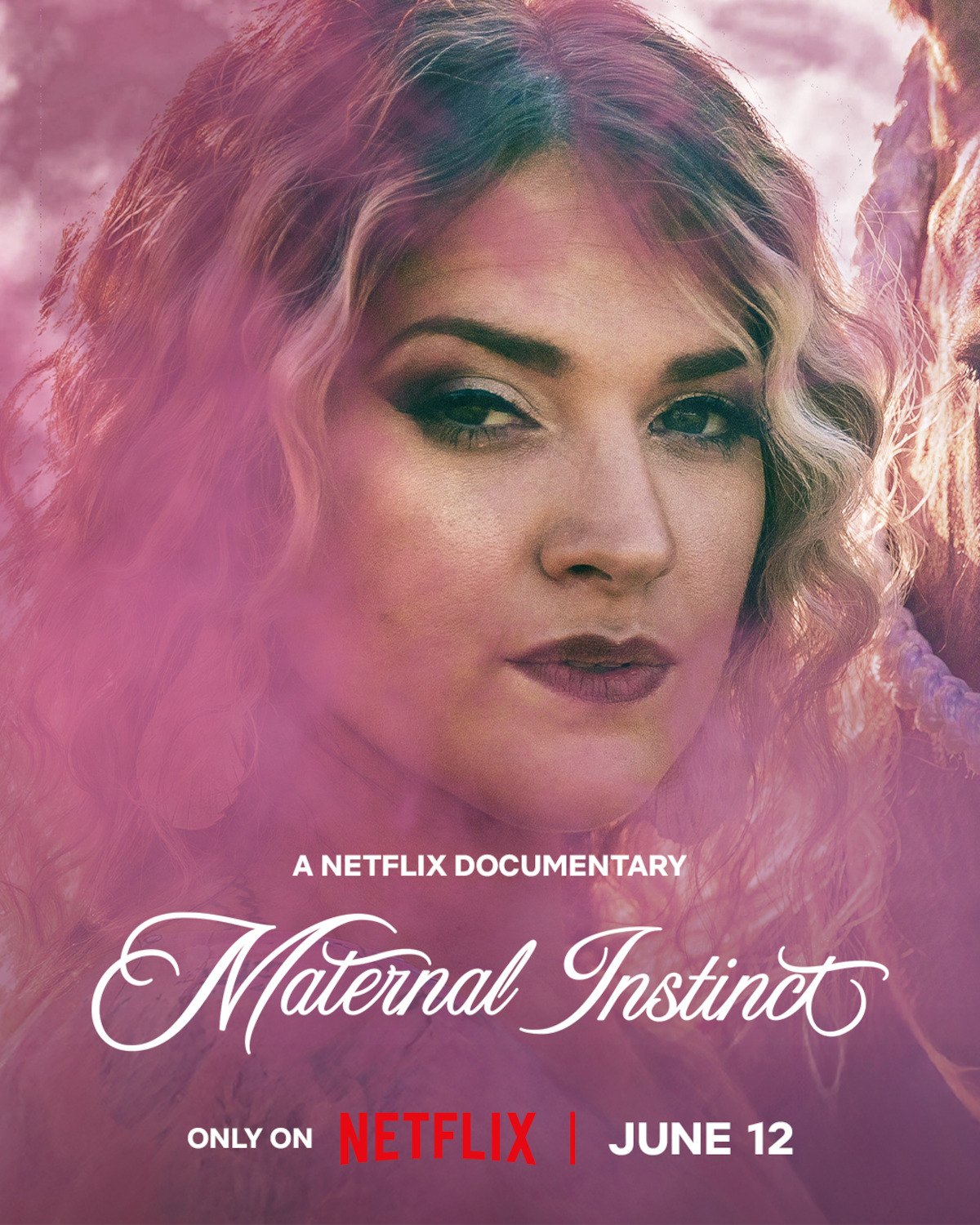
Maternal Instinct
3 săpt. în top

Michael Jackson: The Verdict
4 săpt. în top
Noutăți pe streaming
Adăugate recent pe Netflix, HBO, Disney+, Prime, Apple TV+
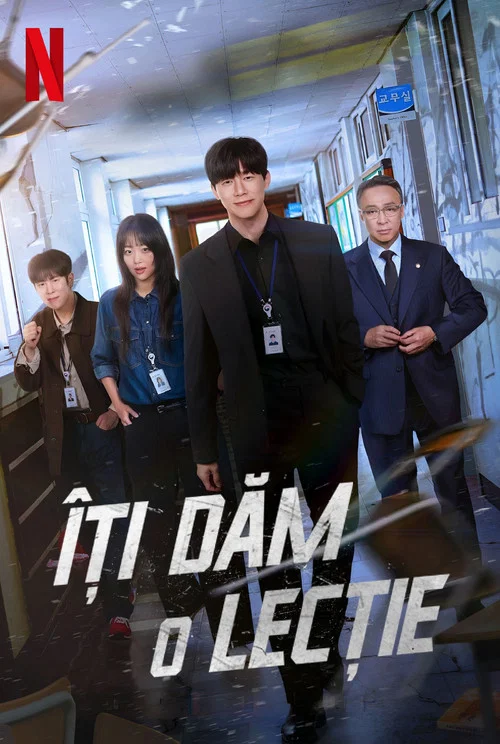
Îți dăm o lecție
2026 • Acţiune & Aventuri, Dramă

Ne vedem mâine la birou!
2026 • Comedie, Dramă

Schimbați
2026 • Aventuri, Animaţie

Off Campus
2026 • Dramă
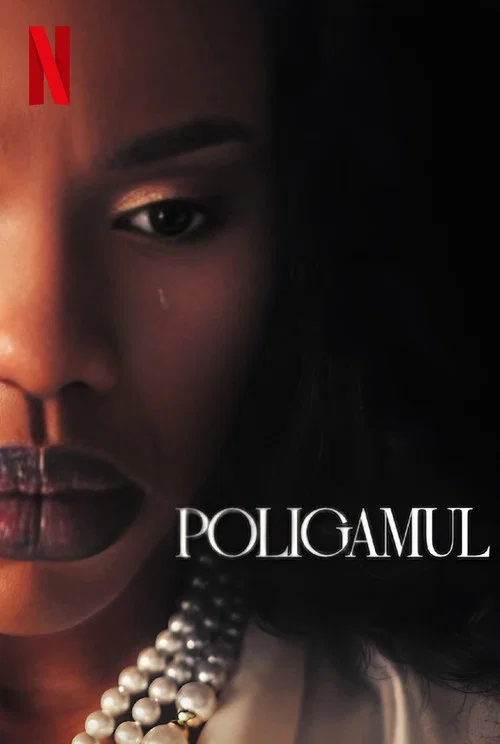
Poligamul
2026 • Dramă, Soap

Proiectul Hail Mary
2026 • SF, Aventuri
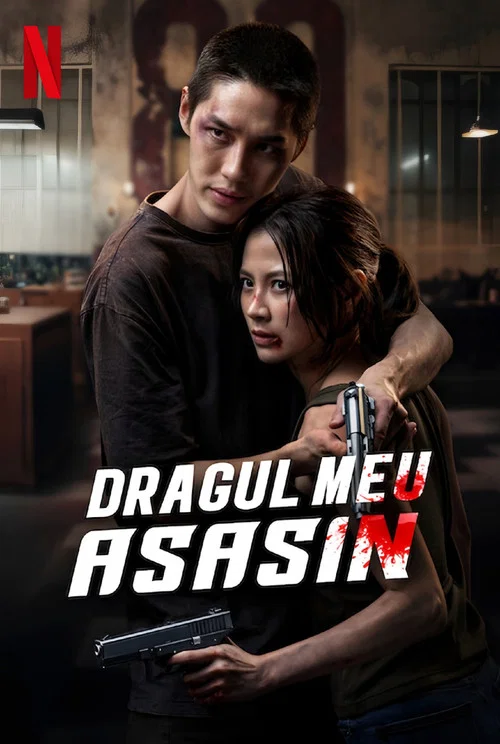
Dragul meu asasin
2026 • Acțiune, Dramă
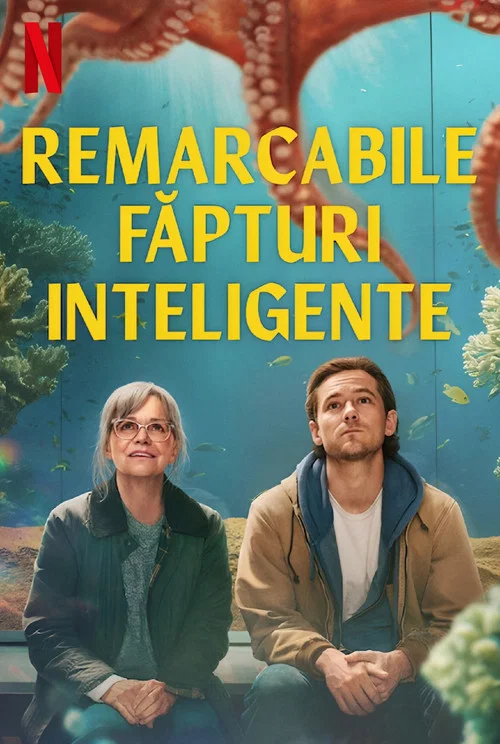
Remarcabile făpturi inteligente
2026 • Dramă, Mister
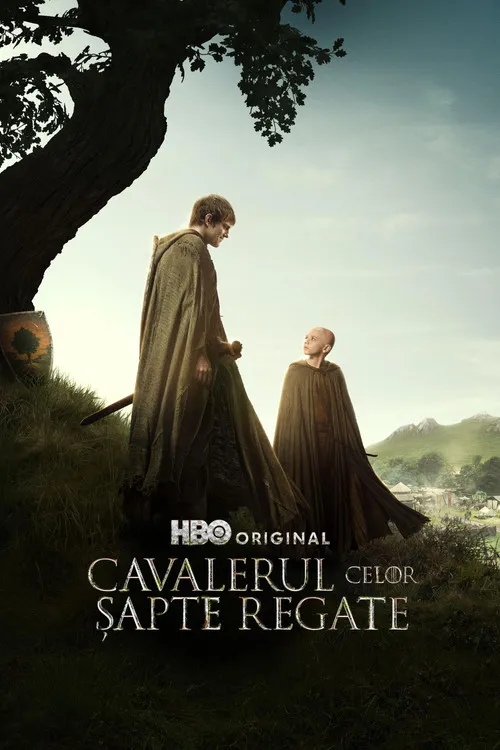
Cavalerul celor Șapte Regate
2026 • Dramă, SF & Fantasy
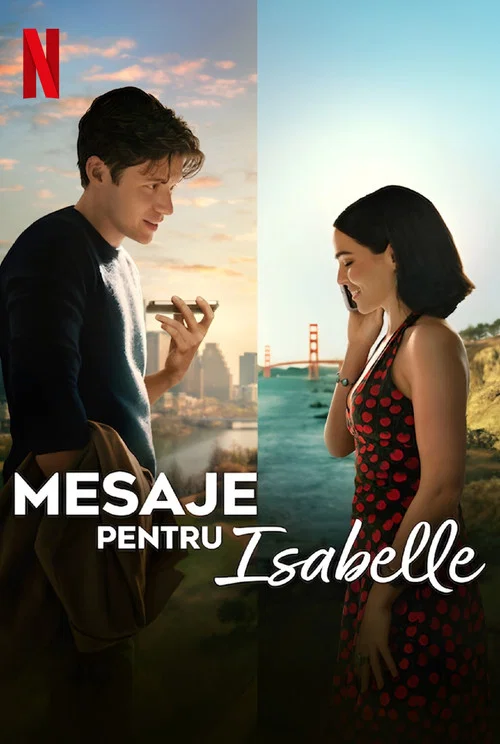
Mesaje pentru Isabelle
2026 • Romantic, Comedie
Box Office România
Top filme în cinema săptămâna aceasta
Date estimative — nu reprezintă cifre oficiale de box office.




La cinema azi
Filmele cu cele mai multe proiecții
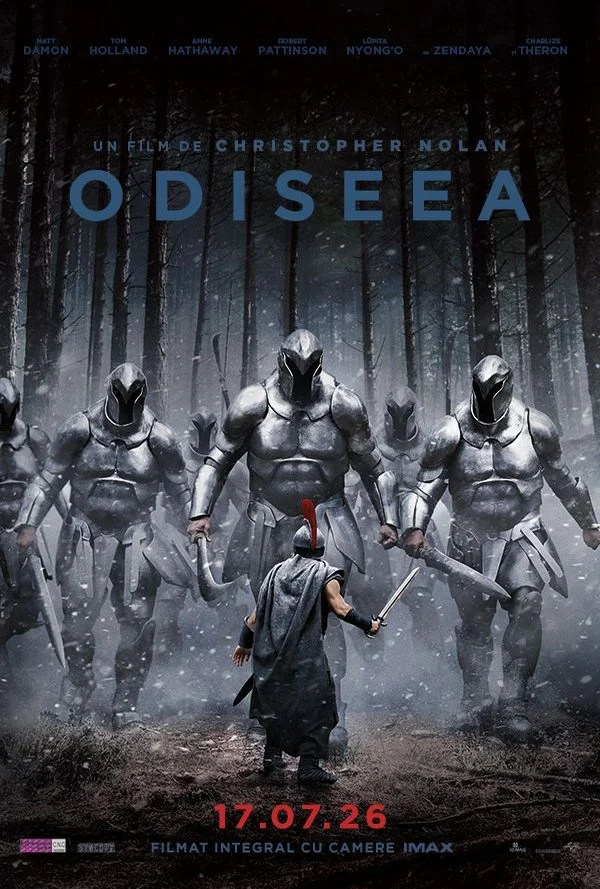
Odiseea
336 proiecții • 35 cinemauri
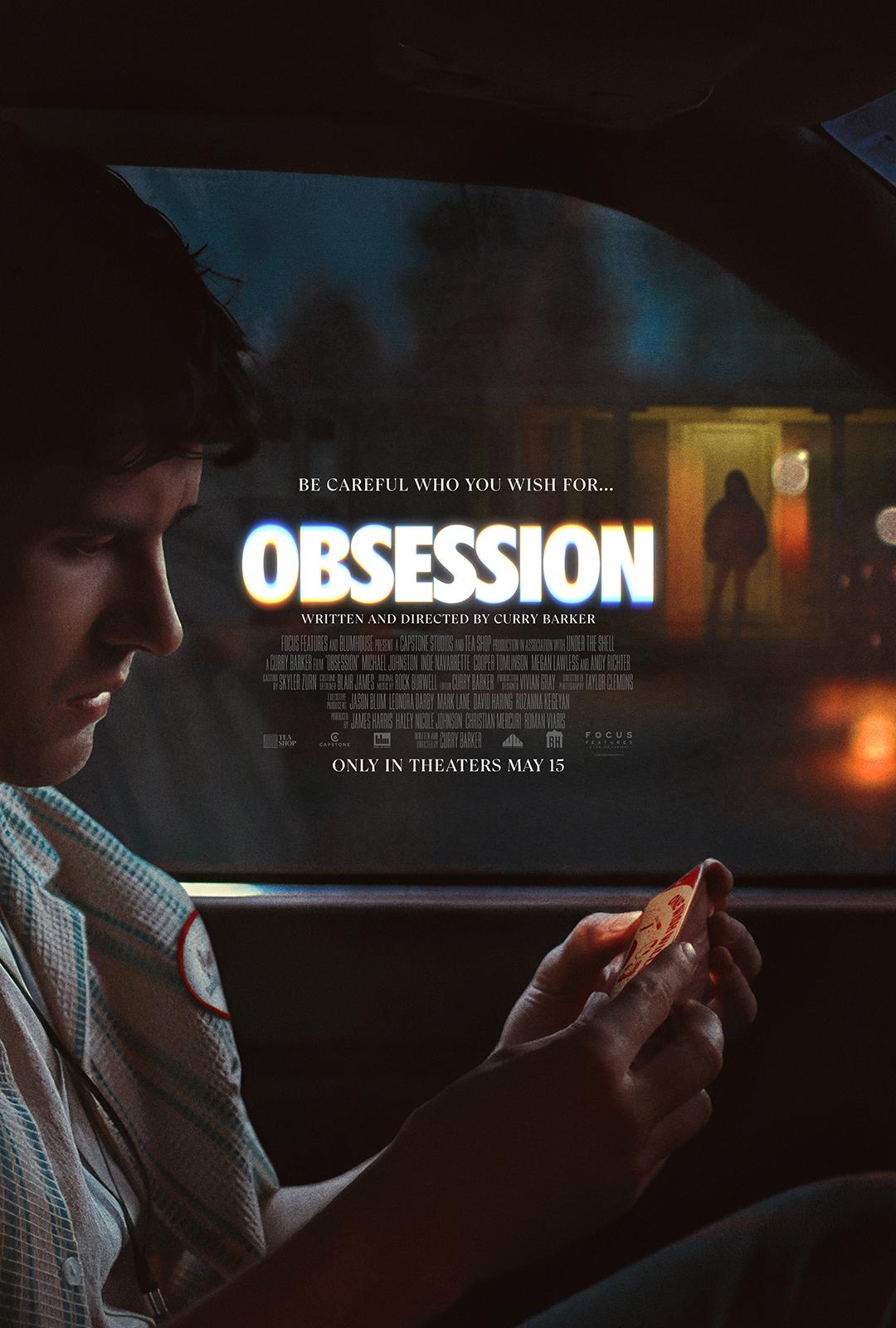
Obsesia
105 proiecții • 43 cinemauri
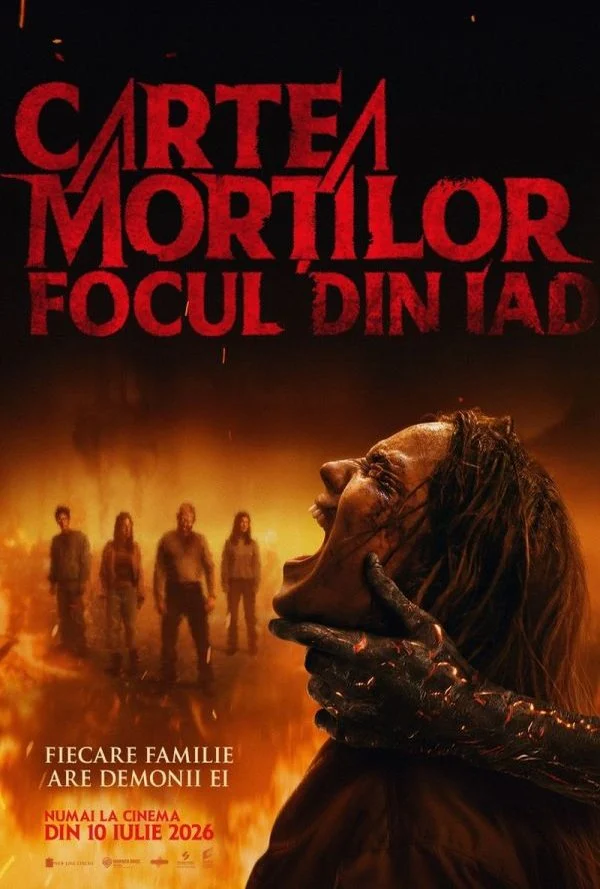
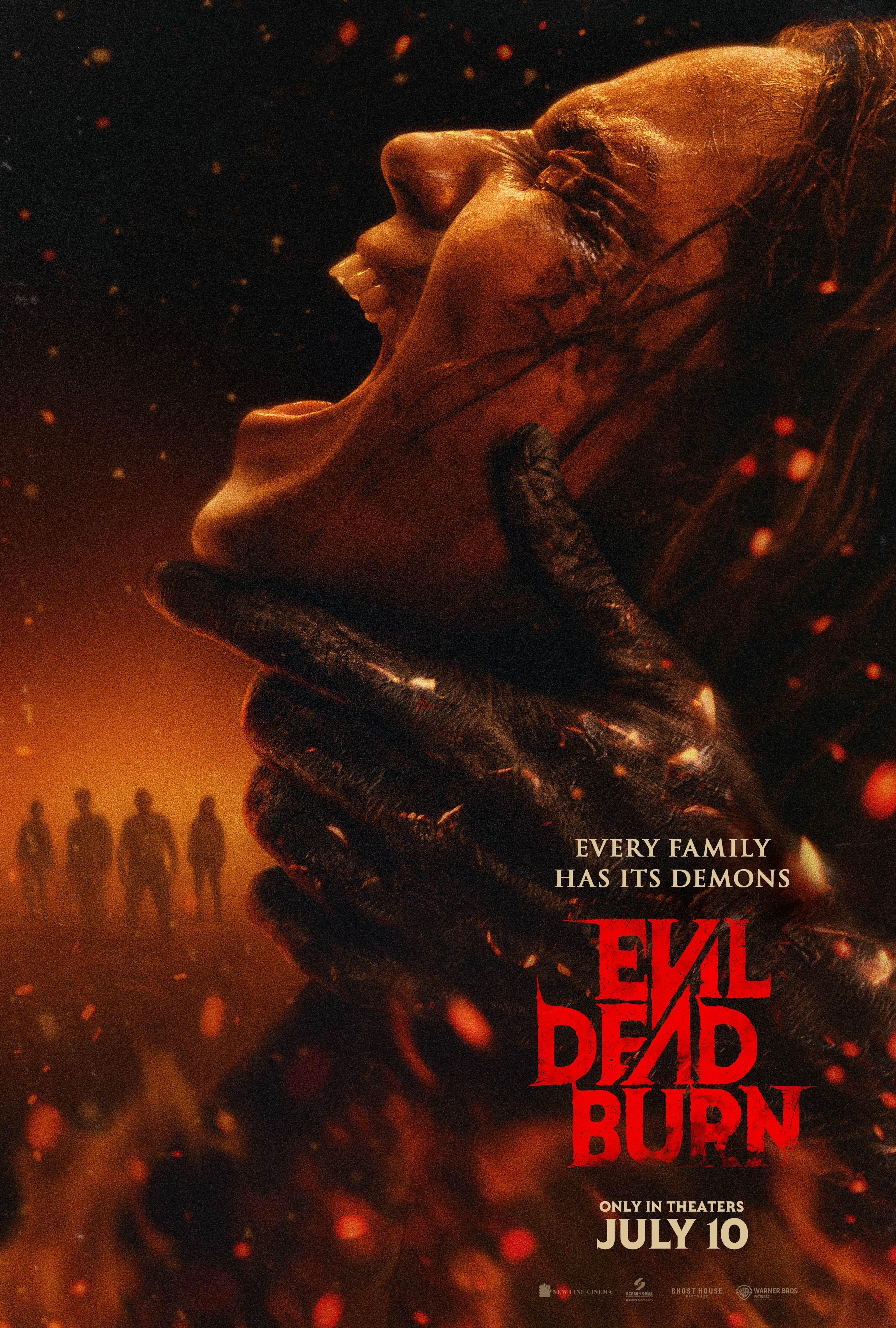
Cartea morților: Focul din iad
105 proiecții • 34 cinemauri
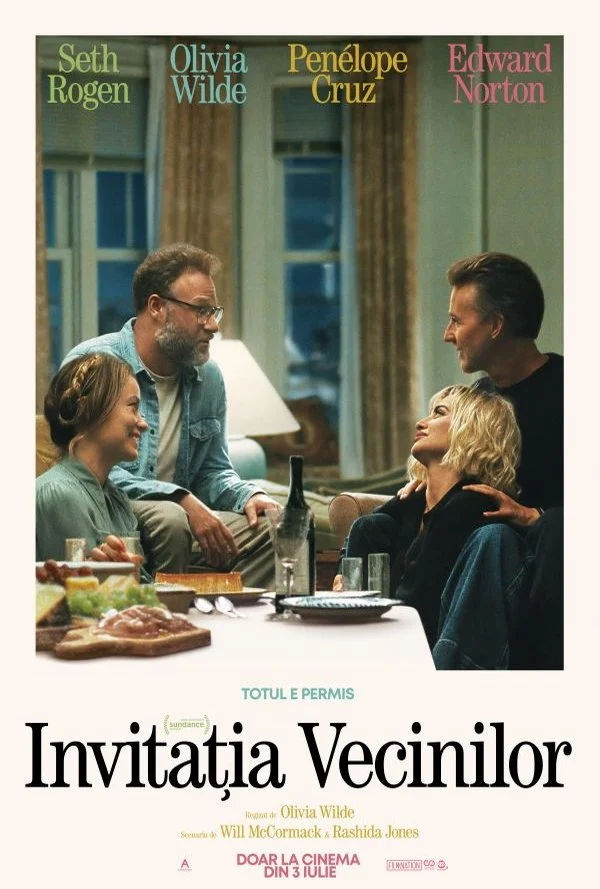
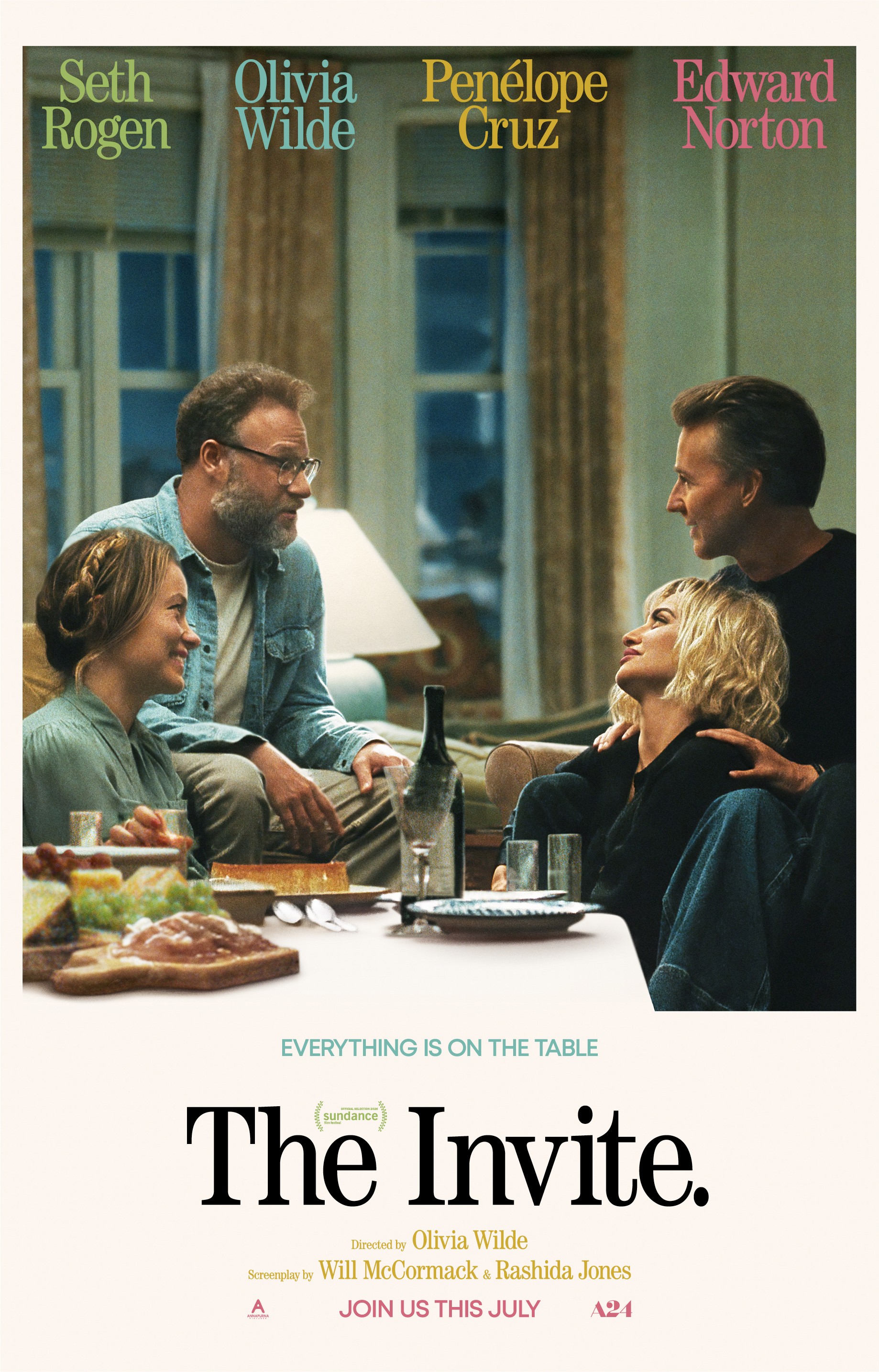
Invitația vecinilor
87 proiecții • 34 cinemauri
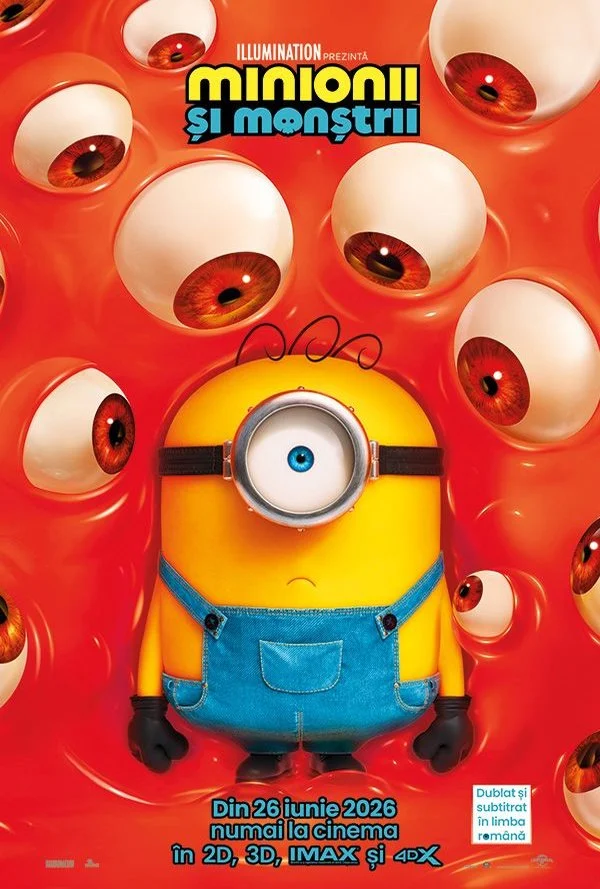
Minionii si monstrii dub
84 proiecții • 29 cinemauri

Vaiana dub
73 proiecții • 29 cinemauri

Vaiana
68 proiecții • 35 cinemauri
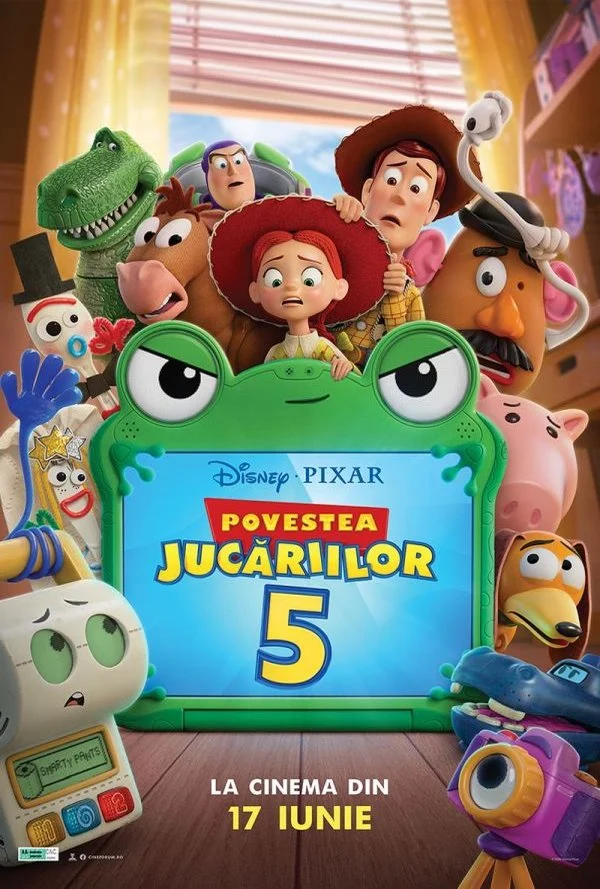
Povestea jucăriilor 5 dub
54 proiecții • 25 cinemauri

Supergirl
52 proiecții • 28 cinemauri
Minionii si monstrii
22 proiecții • 17 cinemauri
Teatru online
Spectacole disponibile în streaming

Oleanna
O conversație aparent inofensivă are consecințe explozive. O studentă își acuză profesorul de hărțuire sexuală. Există oare un “adevăr absolut” al unei situații? Orice poveste are două fețe. O producție a Teatrului de Artă București, cu sprijinul Asociației Împreună pentru o Viață mai Bună. În piesa Oleanna, publicată în 1992, David Mamet povestește despre lupta pentru putere dintre un profesor universitar și una dintre studentele sale, care îl acuză de hărțuire sexuală. Piesa a avut premiera în mai 1992, la Cambridge, Massachusetts și a fost prima producție a noii companii de teatru, Back Bay, a lui Mamet. În octombrie 1992, dramatizarea lui Mamet a apărut și la Teatrul Orpheum din New York, cu scena a treia rescrisă.

Cea mai bună zi din an. Nu uita să încui!
Cea mai bună zi din an este un spectacol de teatru-dans despre despărțiri, despre frumusețea și necesitatea lor. O familie se separă: copiii pleacă de acasă în cea mai grandioasă, importantă și bună zi din an. Toți cad pe moale împiedicându-se unul de celălalt încercând să trăiască împreună acest final. “Separarea a fost un fenomen foarte prezent în viața mea începând cu anul trecut. Aici nu vorbesc doar de persoane. Vorbesc de locuri, contexte, experiențe. Cred că avem mult mai multe de câștigat dacă nu mai încercăm să ținem cu noi ceva ce timpul inevitabil ne va lua. Acest spectacol este un îndemn pentru mine, în primul rând: despărțirile sunt esențiale ca viața să meargă mai departe.” – Vlad Furtună, regizor spectacol Spectacol produs de ECART STUDIO, co-finanțat de Administrația Fondului Național Cultural (AFCN). Proiectul nu reprezintă în mod necesar poziţia Administrației Fondului Cultural Național. AFCN nu este responsabilă de conținutul proiectului sau de modul în care rezultatele proiectului pot fi folosite. Acestea sunt în întregime responsabilitea beneficiarului finanțării.

Prenumele
O comedie de situații bine conturate, care reușește să atingă anumite probleme sociale și politice, satirizând societatea contemporană. Subiectul gravitează în jurul prenumelui viitorului nou-născut, similar cu al unui personaj controversat din istorie și generează un adevărat conflict de familie. În urma unei glume, se declanșează o cascadă de situații comice, dezvăluind o serie de secrete care pun la grea încercare relația de prietenie dintre personaje. „Prenumele”, o comedie spumoasă, evidențiază subtil drama pe care o trăiește fiecare protagonist în parte, punând în prim plan râsul, un medicament gratuit care se eliberează fără prescripție medicală. Râsul, un instrument contagios, este cel mai bun remediu pentru o situație de criză. Primești notificări despre spectacole noi, transmisiuni live, informații interesante despre teatru și oferte exclusive.
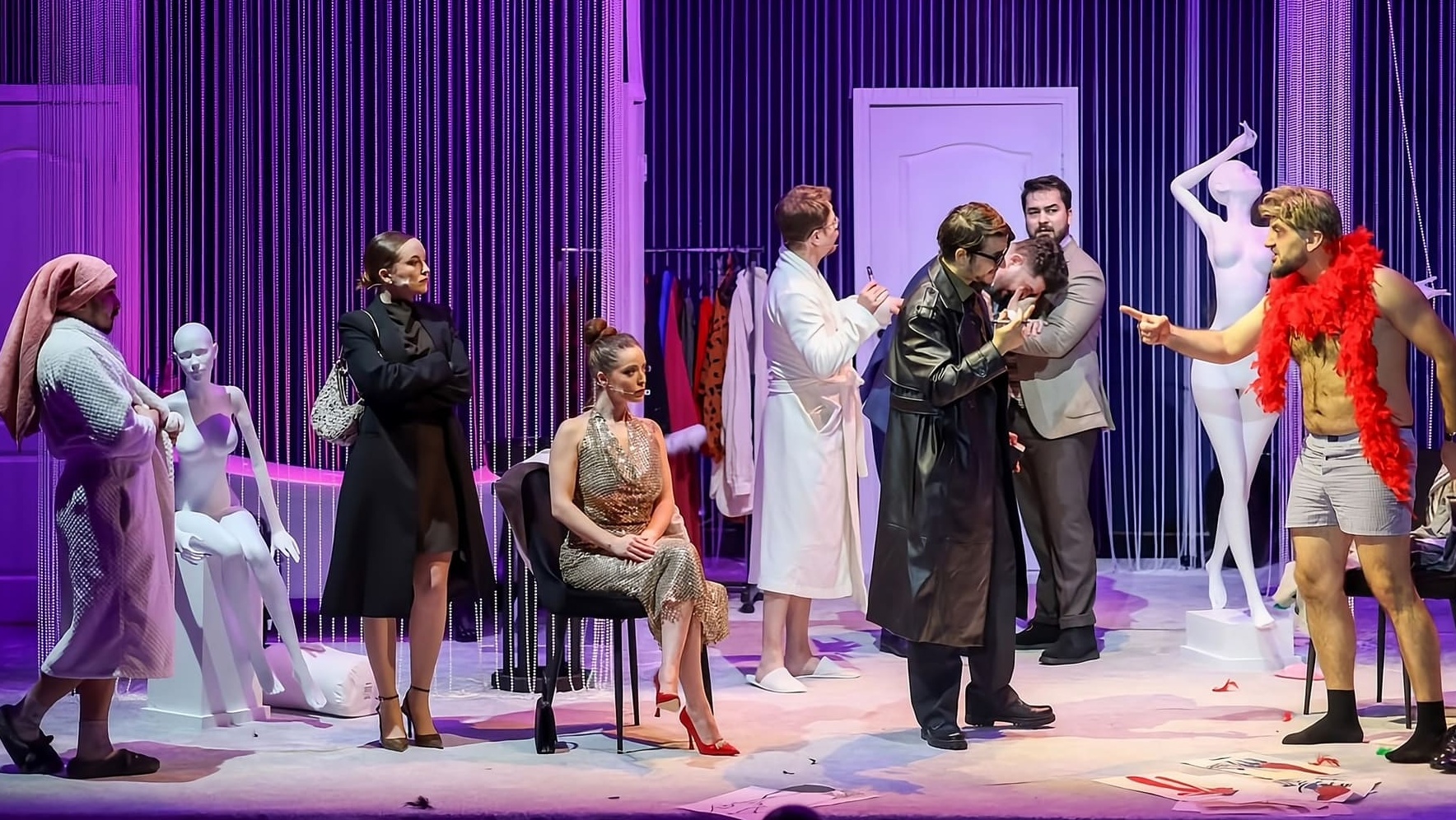
E o doamnă la ușă care întreabă de domnul
E o doamnă la ușă care întreabă de domnul“ este o adaptare inspirată din celebra comedie Fazanul“ de Georges Feydeau. Spectacolul prezintă un șir amețitor de încurcături provocate de gelozie, suspiciuni de infidelitate și dorința personajelor de a evada din rutina vieții de cuplu. Totul pornește de la încercarea lui Vatelin de a afla adevărul despre presupusa aventură a soției sale, Lucienne, însă planurile lui se transformă într-un carusel de quiproquo-uri, identități încurcate și situații absurde. Cu replici savuroase și mult umor, spectacolul oferă o incursiune plină de farmec în universul teatrului de bulevard, demonstrând că iubirea și fericirea se află, uneori, chiar mai aproape decât credem. Considerată una dintre cele mai jucate comedii bulevardiere din istoria teatrului mondial, creația lui Feydeau revine pe scenă într-o adaptare modernă la Ateneul Național din Iași. “E o doamnă la ușă care întreabă de domnul” este o comedie efervescentă care te va cuceri printr-un ritm scenic alert și o avalanșă de situații comice garantate. Primești notificări despre spectacole noi, transmisiuni live, informații interesante despre teatru și oferte exclusive.
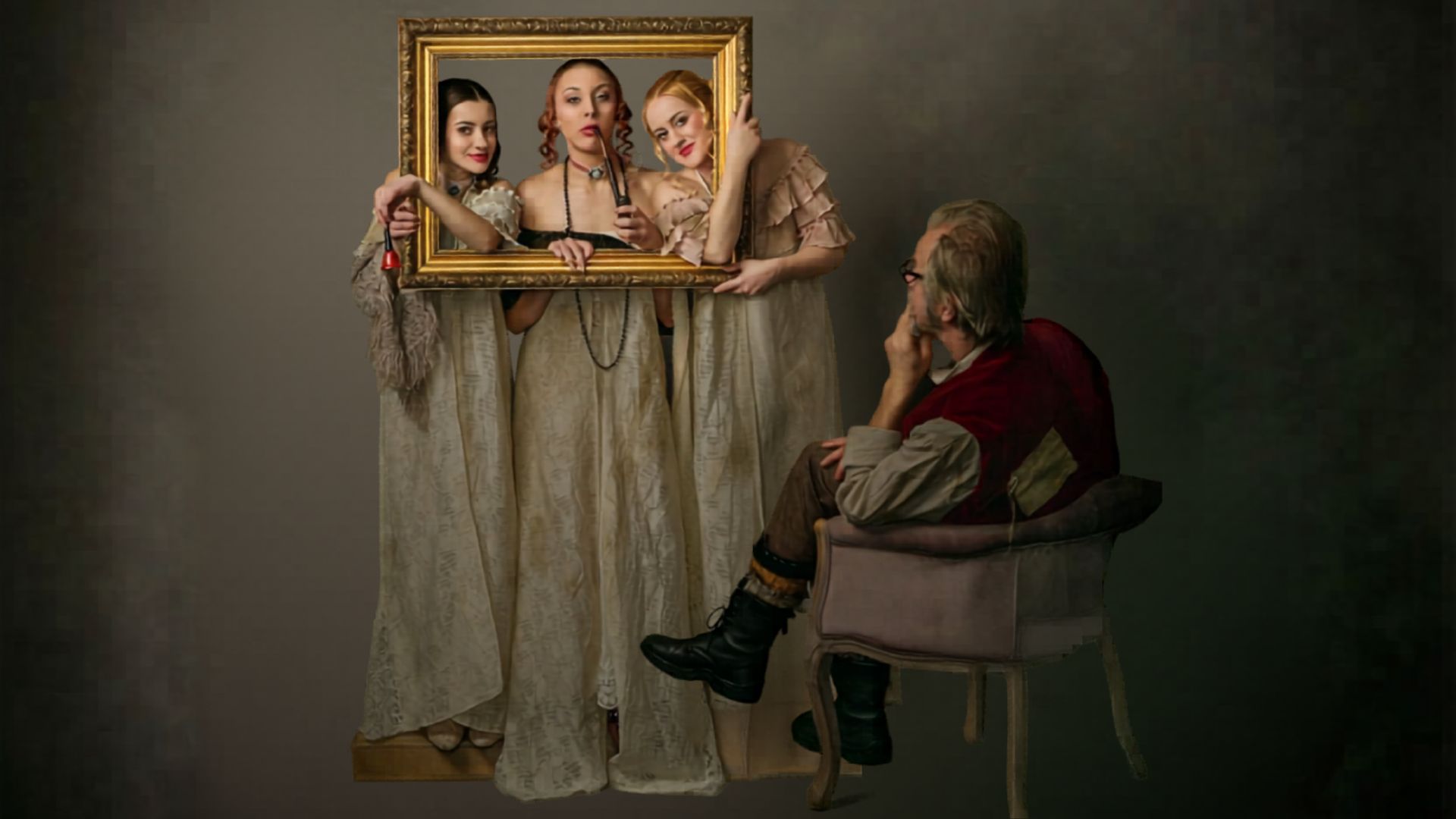
Farsa
Acțiunea se petrece în secolul al XIX-lea, iar atmosfera acelor timpuri va fi redată pe scena Sălii Unirii prin decoruri, costume, dialoguri și evenimente potrivite timpului. După 25 de ani de muncă în sânul familiei Heckendorf, servitorul Rudolf Moosdenger decide să se retragă din serviciu, pretextând ca dorește să călătorească și să viziteze lumea. In consecință solicită zestrea pe care fiecare dintre cele trei surori, Clementine, Cecilia și Charlotte, i-a promis-o cu încredere în nopțile de intimitate. Cu toate acestea, în fața solicitărilor, cele trei nu vor să se despartă de banii lor în timpul vieții – și ar prefera, mai curând, să se despartă de Rudolf, care devine prea solicitant. Când șantajul lui Rudolf nu ajută, între cei 4 (majordom și surori) se instalează o tensiune ce îi determină să pună la cale metode mai “tangibile” pentru a scăpa unul de celălalt. Între cei 4 începe o vânătoare, de-a șoarece și pisica, al cărei final este încă necunoscut. Ineditul spectacolului constă în faptul că propune publicului 4 variante de final posibil. Astfel ca, la fiecare reprezentație, publicul va hotărî ce final va avea spectacolul din acea seară, actorii fiind nevoiți să se adapteze pe loc variantei alese. Variantele sunt: rau, foarte rău, teribil de rău și extraordinar de bine. “Farsa” este un spectacol interactiv care ține cu sufletul la gură atât spectatorii, cât și actorii! Titlul “Farsa” dorește să amintească faptul ca teatrul e viața, iar viața e adesea doar o “Farsă” bine jucată. Mai mult, personajele își tot joacă farse unii altora, chiar dacă finalul lor poate să însemne “ieșirea din joc” la propriu. Interesant? Sperăm! Solicitant? Categoric! Distractiv și interactiv – 100% Adaptare dupa piesa Patru la un prânz cu pește“ Primești notificări despre spectacole noi, transmisiuni live, informații interesante despre teatru și oferte exclusive.
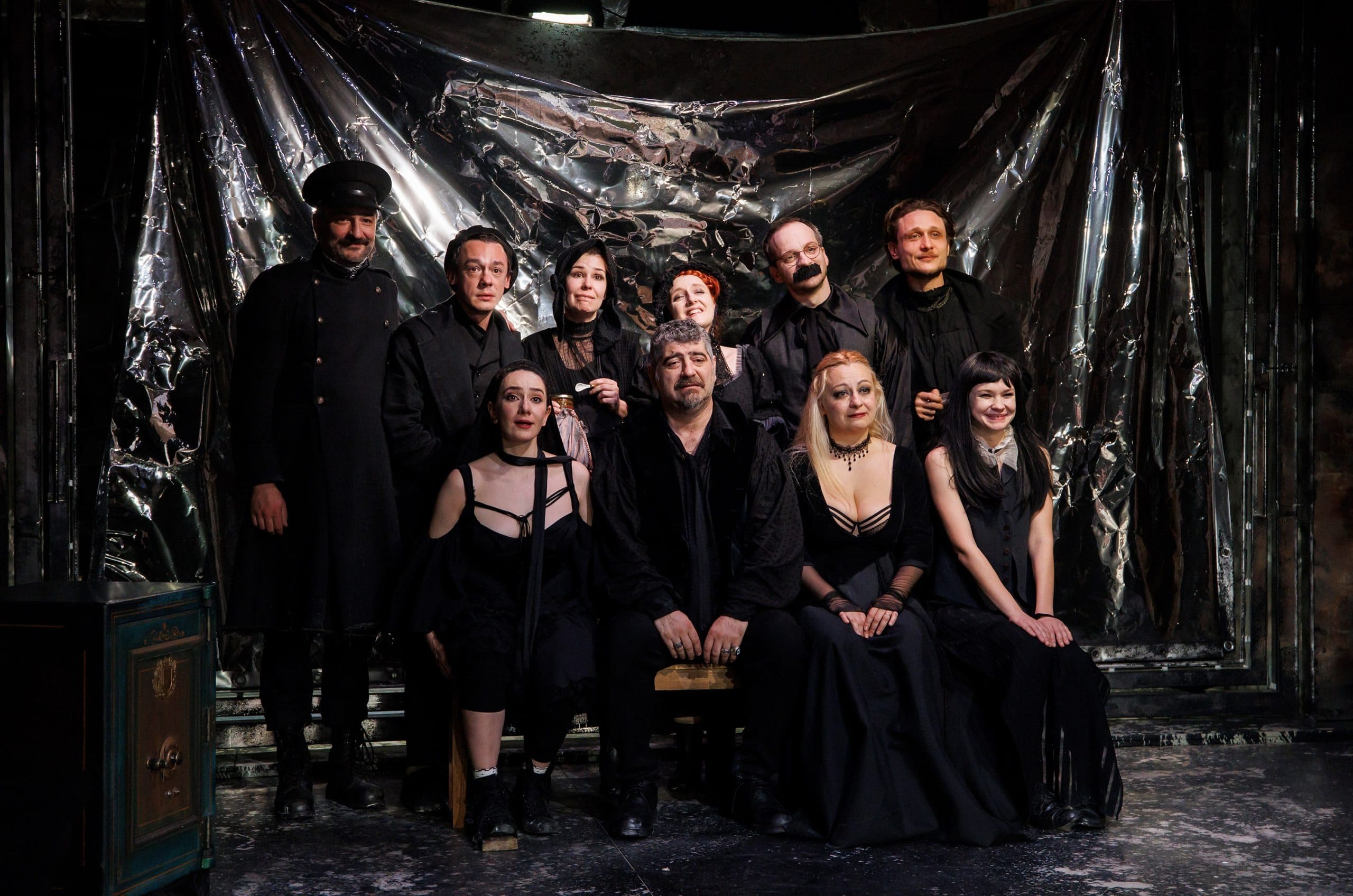
Revizorul
Piesa „Revizorul” scrisă de Nikolai Gogol în 1835, publicată în 1836 și revizuită în 1842, este considerată una dintre cele mai mari lucrări ale autorului rus și una dintre cele mai mari comedii din literatura rusă. Montat pentru prima dată la Teatrul Mic, textul este extrem de actual și reflectă realitățile politice creionate în sens universal de Gogol. „Revizorul” este o satiră socială care explorează corupția și ipocrizia din societatea rusă a vremii. Acțiunea are loc într-un mic oraș provincial din Rusia, unde un funcționar de la guvernul central este așteptat să sosească în oraș în calitate de revizor, pentru a investiga corupția și incompetența oficialilor locali. Piesa este plină de situații comice, confuzii și identități greșite, iar umorul său este subliniat de ironie și sarcasm. „Revizorul” a avut un impact major în literatura rusă și a fost apreciată atât pentru umorul său, cât și pentru critica socială subtilă. A devenit una dintre cele mai frecvent montate piese de teatru în Rusia și a fost adaptată în numeroase filme și producții de televiziune de-a lungul timpului. „Cu ghilimelele de rigoare, îmi „invidiez” colegii actori pentru lucrul acesta. Îi „invidiez” cu mare iubire. Cred că acesta este tipul de bucurie care ar trebui să se întâmple mai mult în teatrele din România, de stat și independente. Bucuria publicului de a vedea un spectacol care reușește să te detașeze de cotidian, de problemele zilnice și să te ducă într-un univers fantastic, dar și realist, adevărat, dar și dureros. Dureros, dar comic. Îmi doresc foarte tare ca acest spectacol să aibă o viață lungă, să poată fi văzut de cât mai mulți spectatori. Sunt foarte recunoscător și le mulțumesc tuturor oamenilor care au făcut ca această producție să fie posibilă!” Ștefan Lupu, Manager al Teatrului Mic Primești notificări despre spectacole noi, transmisiuni live, informații interesante despre teatru și oferte exclusive.
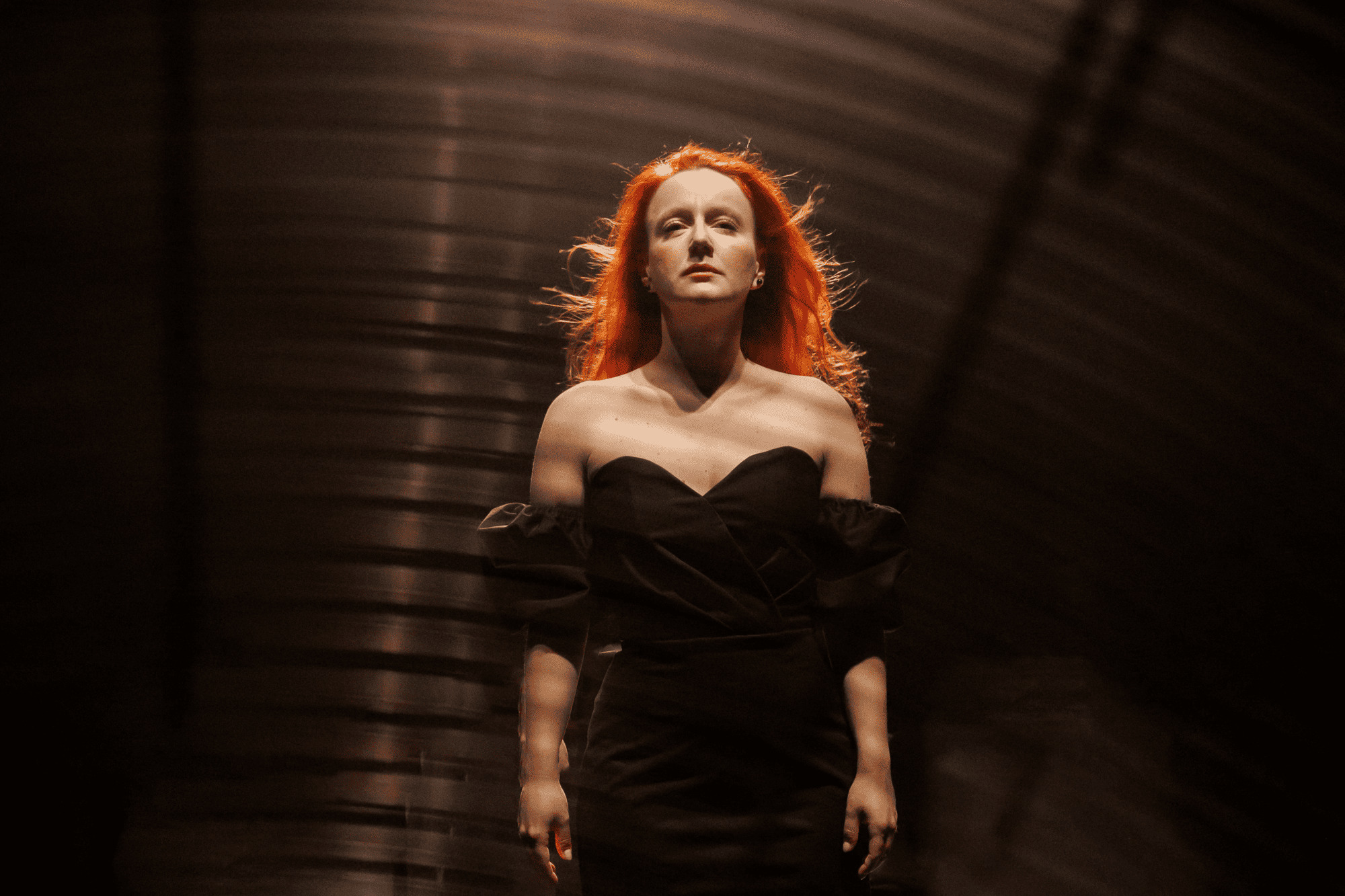
Anna Karenina
Pentru cea mai nouă producție a acestei stagiuni de la Teatrul Mic, echipa de creație a spectacolului „ANNA KARENINA” aduce în scenă elemente și accente contemporane vizuale și coregrafice care completează povestea clasică a relațiilor dintre personaje, invitând publicul într-un cadru intim și atemporal, creionat cu delicatețe de regizorul Dumitru Acriș. „Timpul în care trăim și estetica teatrală modernă predispun spre o relectură scenică a textului clasic. Păstrând esența romanului, am corelat conținutul acestuia cu starea de spirit, mentalitatea, modul de comunicare, gama de sentimente și mediul social al omului de azi. Dincolo de romantismul și lirismul romanului, cu generozitate explorate în multiplele creații artistice de-a lungul timpului, aducem în scenă și ceea ce părea, până în prezent, ascuns, sau abia schițat în roman: stările de maximă tensiune, halucinațiile, comporamentul deviant ale eroinei cauzat de consumul drogurilor. Compoziția spectacolului este construită, pe axa lui principală, din trei ședințe ale Annei Karenina cu psihoterapeutul, marcând trei faze semnificative de transformare psihologică a eroinei din care rezultă un final cu totul neașteptat. Am experimentat, dând voce, în plus la ceea ce spun eroii romanului, monologurilor interioare. Efectul l-am obținut prin redefinirea în contextul contemporan al procedeului aparté adus din epocile teatrale apuse. Acest lucru a impus elemente noi de tehnică a jocului actoricesc.” Dumitru Acris (regizor) Primești notificări despre spectacole noi, transmisiuni live, informații interesante despre teatru și oferte exclusive.

Ultimul bărbat de pe Pământ
După mii de râsete provocate în toată țara cu deja celebrele comedii Bărbații la 40, Femeile la 43“, Coaste din viața lui Adam“, Cum se face“, regizorul Octavian Strunilă vine cu o nouă comedie: Ultimul bărbat de pe Pământ“. O mână de supraviețuitori ai unei pandemii, ultimii oameni rămași pe Pământ, caută să reconstruiască o nouă lume. Și cum să o înceapă mai bine dacă nu cu organizarea unor alegeri? Doar că unul dintre candidați nu vrea să fie președinte, o soție cicălitoare vrea, prin orice mijloace, să devină prima doamnă, un geniu bețiv încurcă întreaga campanie electorală, iar doi tineri îndrăgostiți au descoperit combustibilul necesar pentru a porni mașina timpului. Ultimul bărbat de pe Pământ“ este un spectacol în care umorul și sensibilul naturii umane, sub bagheta lui Octavian Strunilă, promit încă o comedie spumoasă. Primești notificări despre spectacole noi, transmisiuni live, informații interesante despre teatru și oferte exclusive.
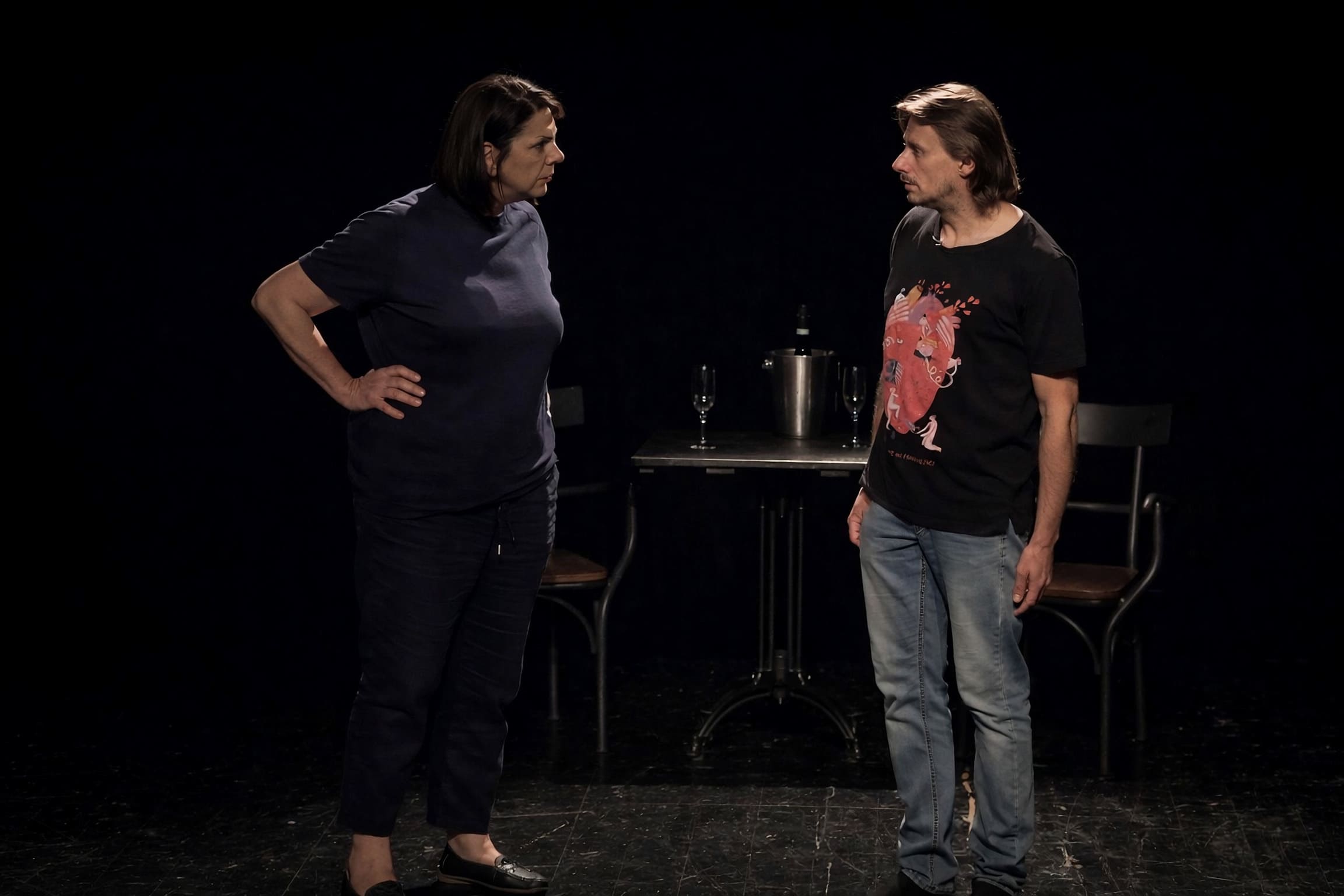
Ce avem noi aici?
Se ia o mamă foarte posesivă de băiat (Carmen Tănase), se adaugă băiatul timid, ascultător, dar cu mici derapaje (Marius Manole), se presară niște anunțuri matrimoniale, se picură niște femeie superbă, singură și disperată (Maria Obretin) și ai deja o comedie care dezarmează și pe cel mai ursuz spectator. Bonus, după ce râzi, și râzi, și râzi îți dai seama că povestea nu e deloc veselă, îți dai seama că povestea e cea a multor oameni singuri din jurul tău, sau chiar a ta. După care mai râzi o dată, bineînțeles, pentru că Lia Bugnar are mereu grijă să-și trimită spectatorii acasă cu un zâmbet mare pe buze. Primești notificări despre spectacole noi, transmisiuni live, informații interesante despre teatru și oferte exclusive.
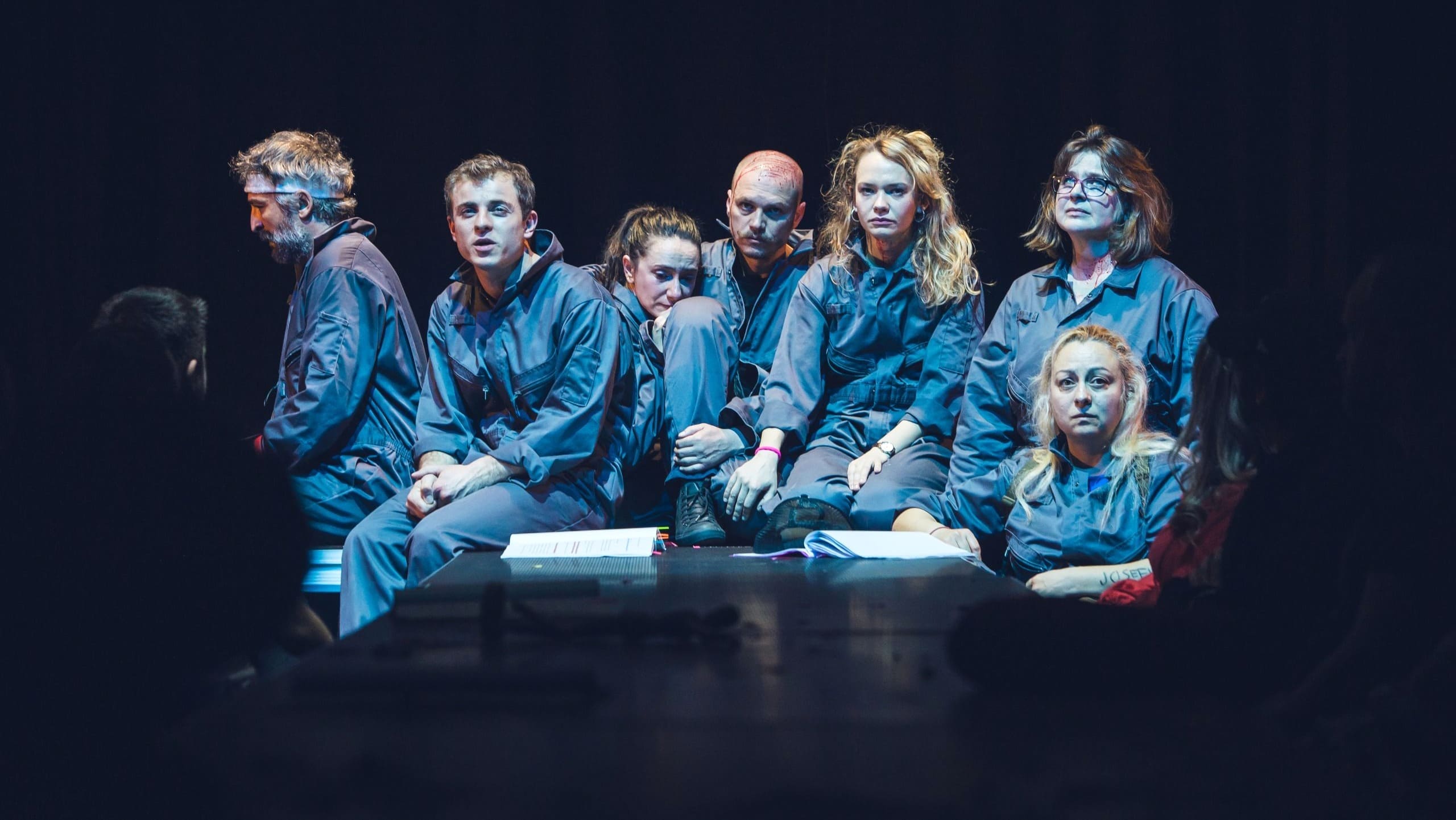
Ferma animalelor
Născut în Bengal în 1903, britanicul Eric Arthur Blair avea să devină cunoscut ca scriitor sub pseudonimul George Orwell. Înainte de a se dedica scrisului, Orwell a fost comentator radio pentru postul BBC, editorialist, reporter și s-a oferit voluntar pentru a lupta în Războiul Civil din Spania. Deși în materie de tendințe politice a manifestat o simpatie pentru cei de centru-stânga, Orwell a avut o mare luciditate și a realizat pericolele comunismului mai devreme decât alți contemporani ai săi. Cărțile sale „Ferma animalelor” și „1984” sunt avertismente despre propagandă, distorsionarea adevărului și regimurile totalitare. Povestea animalelor care se revoltă pentru drepturi egale și un trai mai bun este inspirată de Revoluția Rusă din 1917 și perioada stalinistă, marcată de planul cincinal (1928-1933), ce urmărea transformarea societății sovietice conform principiilor socialiste. Propaganda permanentă, nenumărate sacrificii, violența și controlul statului asupra tuturor aspectelor vieții umane sunt sursele de inspirație folosite de Orwell pentru povestea animalelor care decid să se împotrivească fermierului Jones. Scenariul teatral realizat de regizorul Andrei Huțuleac aduce în atenția publicului un spectacol imersiv, bazat pe interacțiuni intuitive și contextuale între actorii care fac parte din distribuție și spectatorii prezenți în sală.
RoTV Guide este ghidul tău complet de entertainment pentru România, creat pentru oricine vrea să știe ce se întâmplă acum la TV, ce filme noi au apărut pe streaming, ce rulează la cinema sau ce spectacole de teatru sunt programate în zilele următoare. Am adunat într-un singur loc toate informațiile de care ai nevoie ca să îți planifici seara, weekendul sau o ieșire în oraș, fără să mai cauți pe zece site-uri diferite.
Ghidul electronic de programe TV acoperă peste 100 de canale românești organizate pe categorii: generaliste precum PRO TV, Antena 1 și Kanal D, canale de știri ca Digi24, Antena 3 CNN și România TV, sport cu Digi Sport, Look Sport și Eurosport, canale pentru copii cum ar fi Cartoon Network și Disney Channel, documentare pe National Geographic și Discovery, plus canale de muzică. Pentru fiecare canal vezi emisiunea curentă cu progress bar, ce urmează și programul complet pe zile.
Secțiunea de streaming îți permite să compari catalogul celor mai importante platforme disponibile în România. Netflix, cu serialele originale și Top 10-ul săptămânal bazat pe ore vizionate. HBO Max, cu producțiile HBO, filmele Warner Bros. și documentarele premiate. Disney+, acasă pentru universurile Marvel, Star Wars, Pixar și National Geographic. Amazon Prime Video, cu o combinație de filme independente, seriale de autor și producții Amazon Originals. Apple TV+, cu seriale de calitate cinematografică și conținut original exclusiv. Fiecare titlu vine cu trailer oficial, distribuție, gen, rating TMDB și informații despre disponibilitate.
Programul cinematografelor acoperă peste 60 de orașe din România, cu rețelele Cinema City, Happy Cinema, Movieplex și Cineplexx, plus săli independente. Poți filtra după oraș, cinematograf sau film și vezi orele de proiecție, formatul și linkuri directe pentru cumpărarea biletelor. Clasamentul box office se actualizează săptămânal cu încasările de weekend, trendul față de săptămâna anterioară și numărul de săptămâni în cinema, astfel încât să știi mereu care sunt cele mai populare filme la nivel național.
Secțiunea de teatru reunește repertoriul celor mai importante scene din București: Bulandra, Teatrul Național, Odeon, Excelsior, Metropolis, Nottara și Teatrul de Comedie. Găsești date, sinopsis, distribuție, prețuri și linkuri pentru bilete, iar pentru cei care preferă vizionarea de acasă, avem și spectacole disponibile online prin PiciorDePlay. La radio, poți asculta posturi live direct din browser — de la Radio România Actualități și Europa FM la Kiss FM, Pro FM și Virgin Radio — cu redare în fundal care continuă și când navighezi pe alte pagini.
Tot ce găsești pe RoTV Guide este gratuit, fără reclame și fără cont necesar. Funcționează pe telefon și desktop direct din browser, fără nicio aplicație de instalat, iar datele se actualizează automat din surse oficiale.